Posts

In our one-month China itinerary, we tried to pack in lots of sites and were often on the go and unable to carry books.  Formal roadschooling took a back seat and instead we tried to incorporate more organic day-to-day learning.  Here are some ideas to try if you are traveling with your kids in China (adaptable any country) and looking for informal ways to leapfrog their learning.

Lots to discuss with the mass of cameras at Tiananmen Square. Is this a Brave New World or 1984?

Journal:  We tried to journal every afternoon.  There is so much to take in, that the moment of silence to digest all that was seen and experienced, worked wonders.  You can give your kids a leading question or simply let them write whatever they want.  Most days we did a combination of the two.

Word of the Day: Give your child one Chinese phrase or word of the day to practice, use with locals and teach the other members of the group.  Try expressions that they will actually use like: “where’s the bathroom?” “how much does this cost?” “I don’t speak Chinese” “this is delicious” “No, really. I’m full, thanks.”
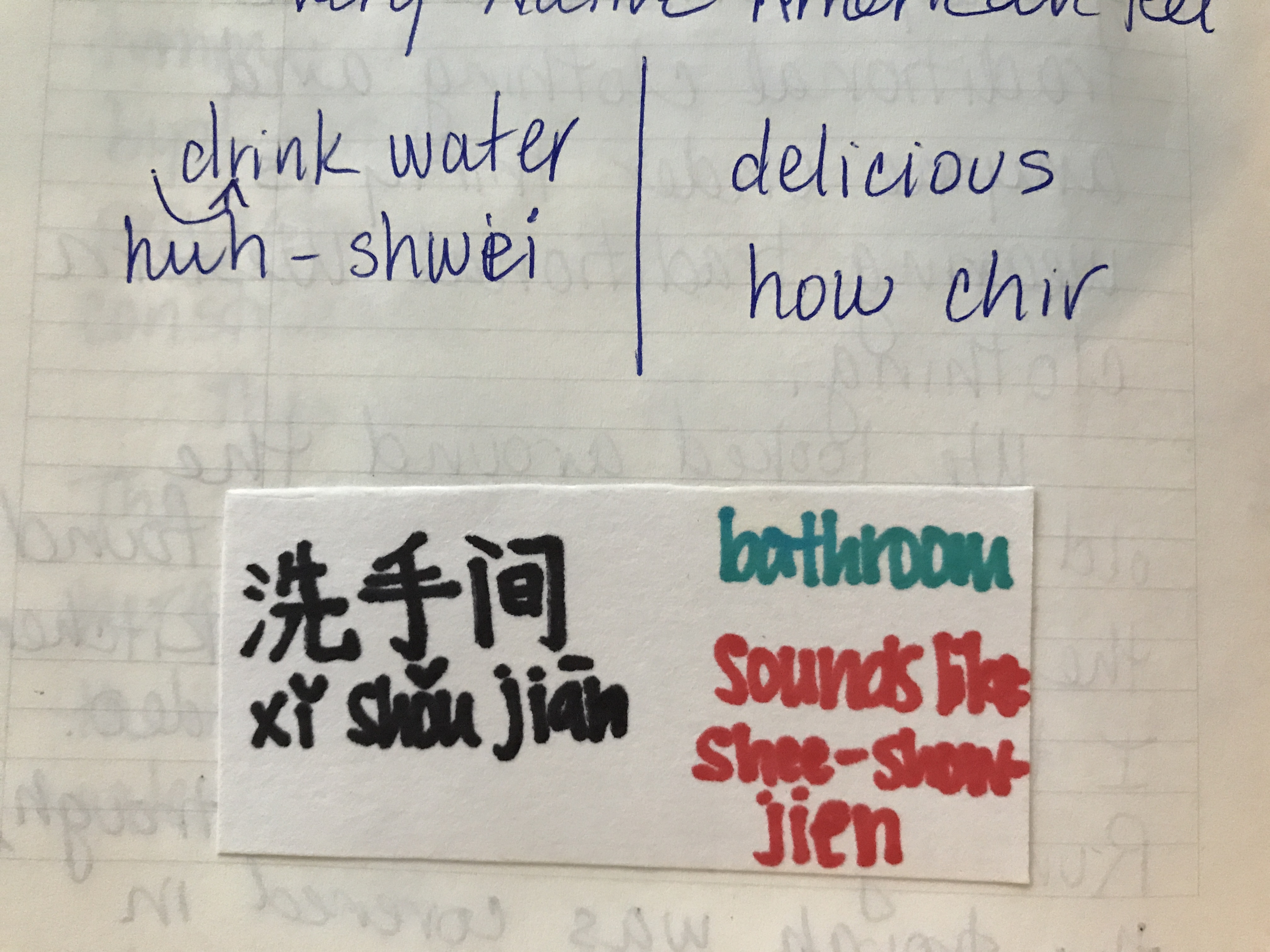
word of the day cards, saved in my journal.

Bizzbuzz Hydration Game:  To practice the numbers in a new language, you can play the old college drinking game with a twist: when you get it wrong, you drink water.  It’s tough to get kids to drink enough water.  Warning: make sure you play this game near an accessible bathroom. To play: Go around the circle saying the numbers in order.  The first person says “one” in Chinese, the second says “two”, etc. Every multiple of 7 is replaced by a “bizz” and every multiple of 11 is replaced by a “buzz”.  Seventy-seven is “bizz-buzz”.  Kids can practice both multiplication tables and their Chinese numbers.  Win-win.

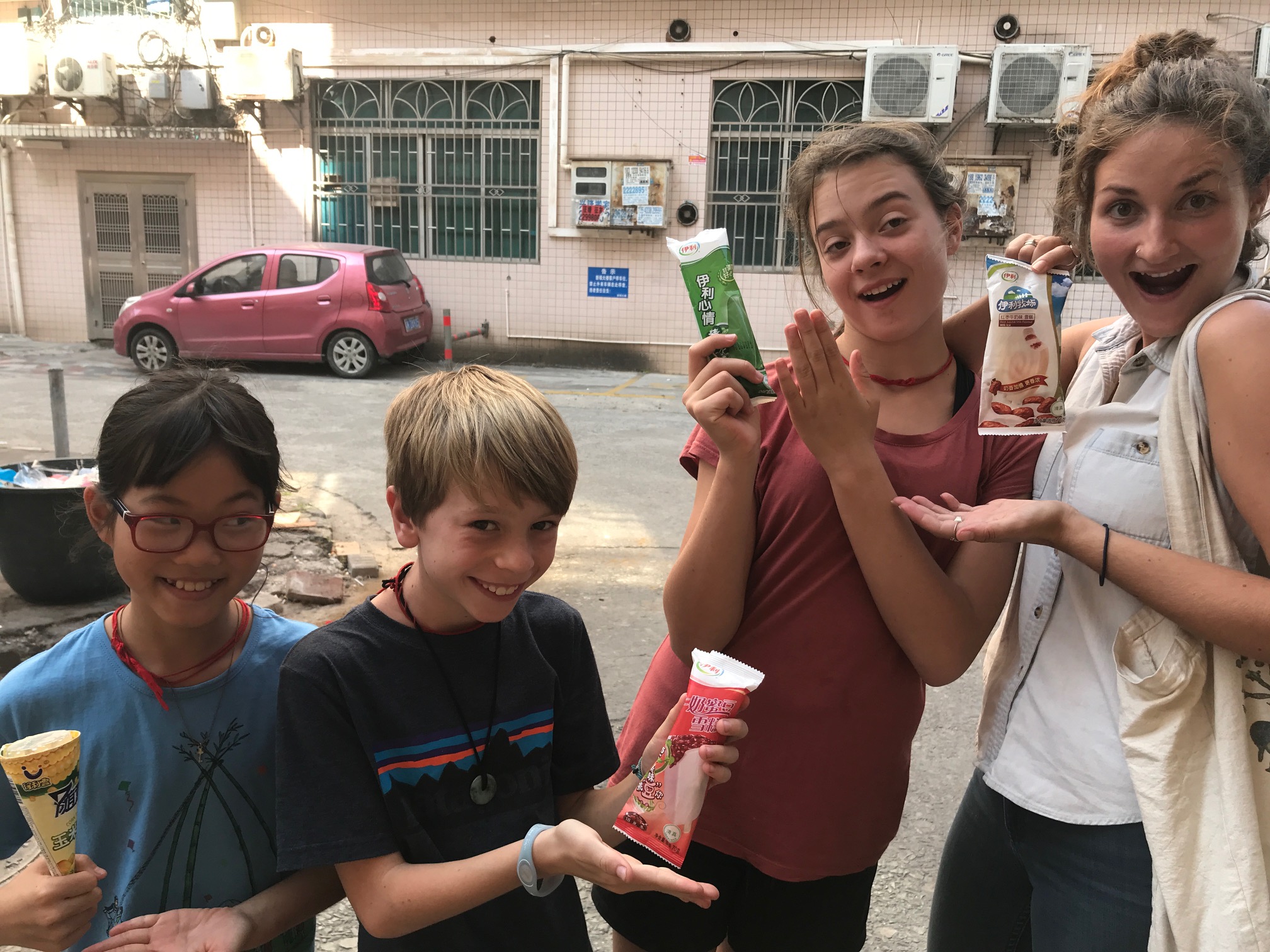
City Scavenger Hunts: In pairs or small groups, go off to find the wackiest stuff.  We went in search of strangest ice cream flavors or beauty supplies.  It could also be “most surprising thing you can buy for $10 at the market”.  We did this once with Dragons and one leader came back with a shaved head, another a copper pot, etc.  There are endless adaptations.
road schooling, family travel, china,

Your mission: find the wackiest popsicle. The results: pea, corn, red bean and durian

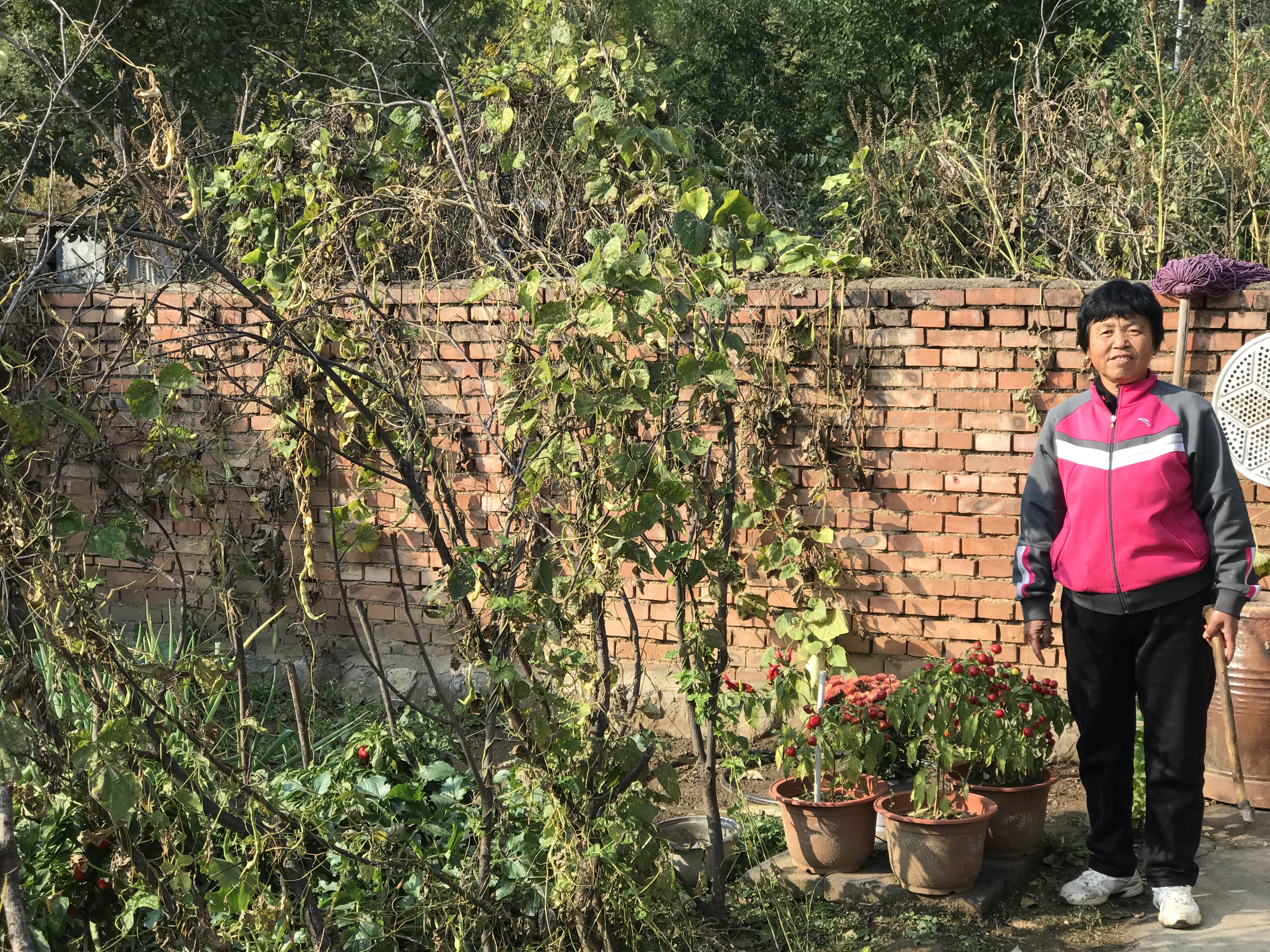
Talk to People: It’s nothing that’s necessarily planned or scripted, but if you have someone who can effectively translate, there’s interesting learning opportunities everywhere.  Model curiosity and the courage to connect.
travel, china, road schooling, vegetables

This woman gave us a tour of her vegetable garden and gardening techniques.

Go to the Market: Kids will have a lot to process from the Chinese market: the local fruit (try something new), watch fresh-pulled noodles, what the “meat section” incorporates, the butchering process, and use your language to buy some snacks.  We loved the variety of bulk nuts and dried peas.  Our grocery stores are a very sanitized version.
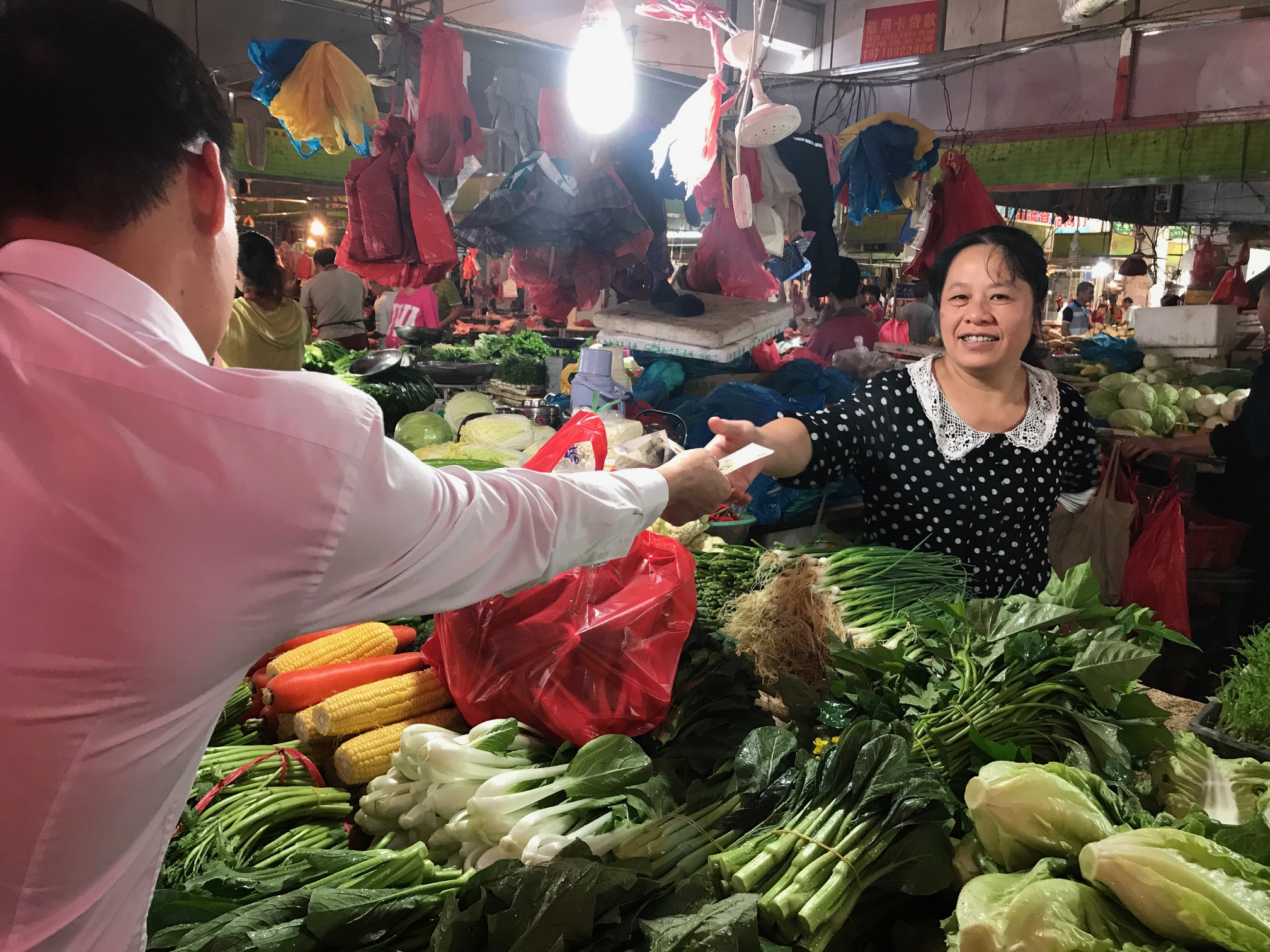
The colors and life to the old school markets are potent classrooms

Look Out the Window Games:  We made some scavenger hunts to get the kids to really look out the window on train and van rides.  You can write their scavenger hunt items directly into their notebooks and let them answer directly in their notebooks.  (Find 50 Chinese flags, a water buffalo, drying chili, etc.  Or, list the crops being grown outside.  Draw old China and new China scenes you can see out the window.)


Books for China:

These books run the gamut from picture books to political philosophy. There are oodles of books for children and adults out there, but here are some that I can personally and emphatically recommend.

The Story About Ping My father’s favorite childhood book; I grew up with it too.  The illustrations will stay with you for a lifetime.

Chang And the Bamboo Flute This tale takes place in the Li River Valley.  It was a good story for a second to fourth grade reading level.  The poverty described in this older book is hard to reconcile with the China of today.

Where the Mountain Meets the Moon, by Grace Lin

My third grader and I read this contemporary book together as a “read aloud”.  Lin explains in the afterword that this book is a personal mixture of Chinese folktales and could be set anywhere in China.  The illustrations are especially fun to spot these elements in what we see each day.

The Good Earth, by Pearl S. Buck

It’s a classic for a reason.  Appropriate for middle school through adult.

The Kitchen God’s Wife, Amy Tan  As a High School World History teacher, we used this book in Cupertino, CA.  It sketches the World War II in China and the segue into the Civil War and Cultural Revolution.

Brave New World, Aldous Huxley and 1984, George Orwell

There is so much to talk about with a high school-age kid about modern China and these books will deepen the discussion.  Is order and safety more important than a few civil liberties?  Are capitalism and media the new soma?  How do you feel with all these security cameras on you? The philosophical questions are limitless.
road schooling, family travel, china

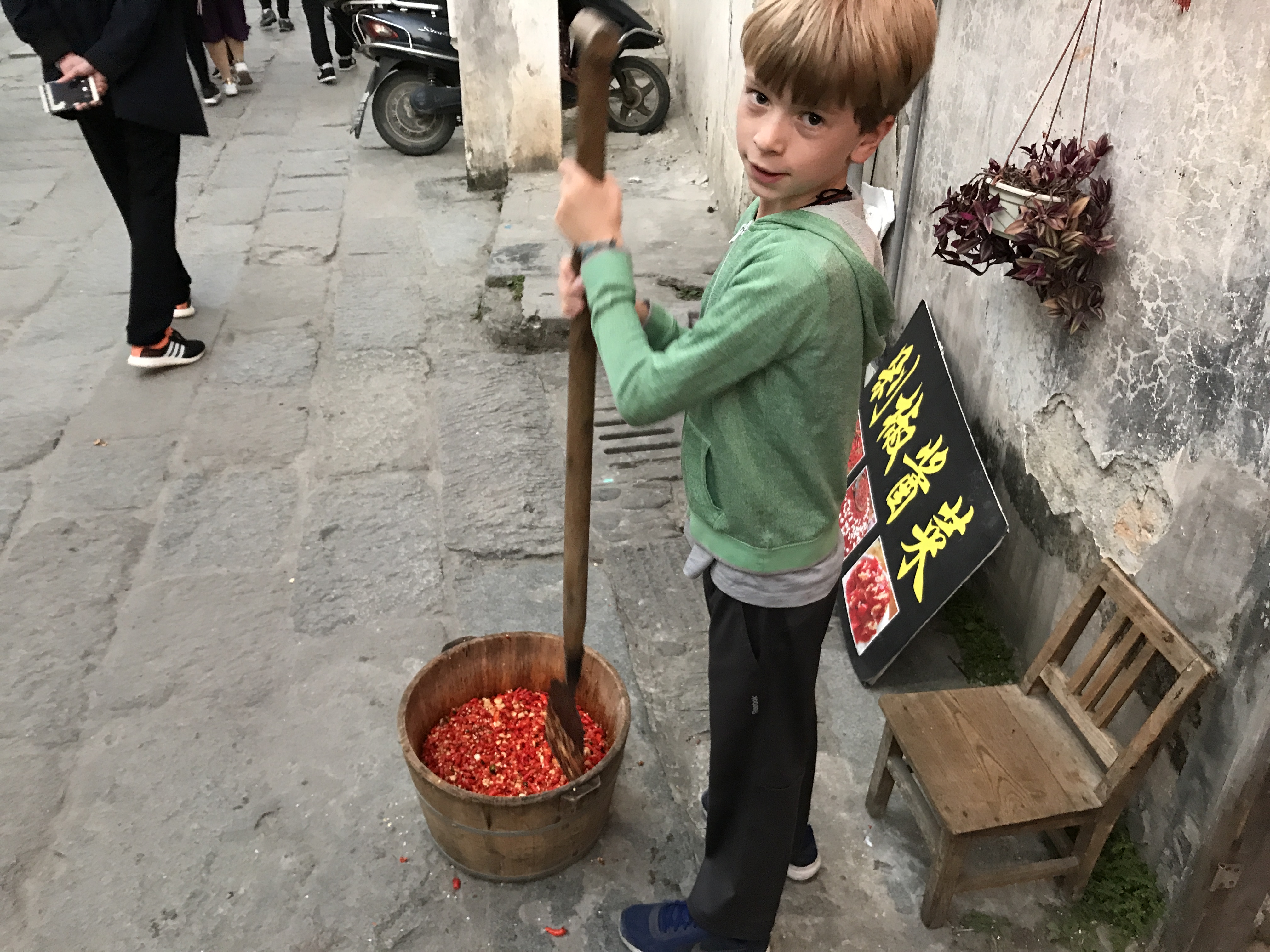
And a boy can learn an unconventional way to chop chili peppers.
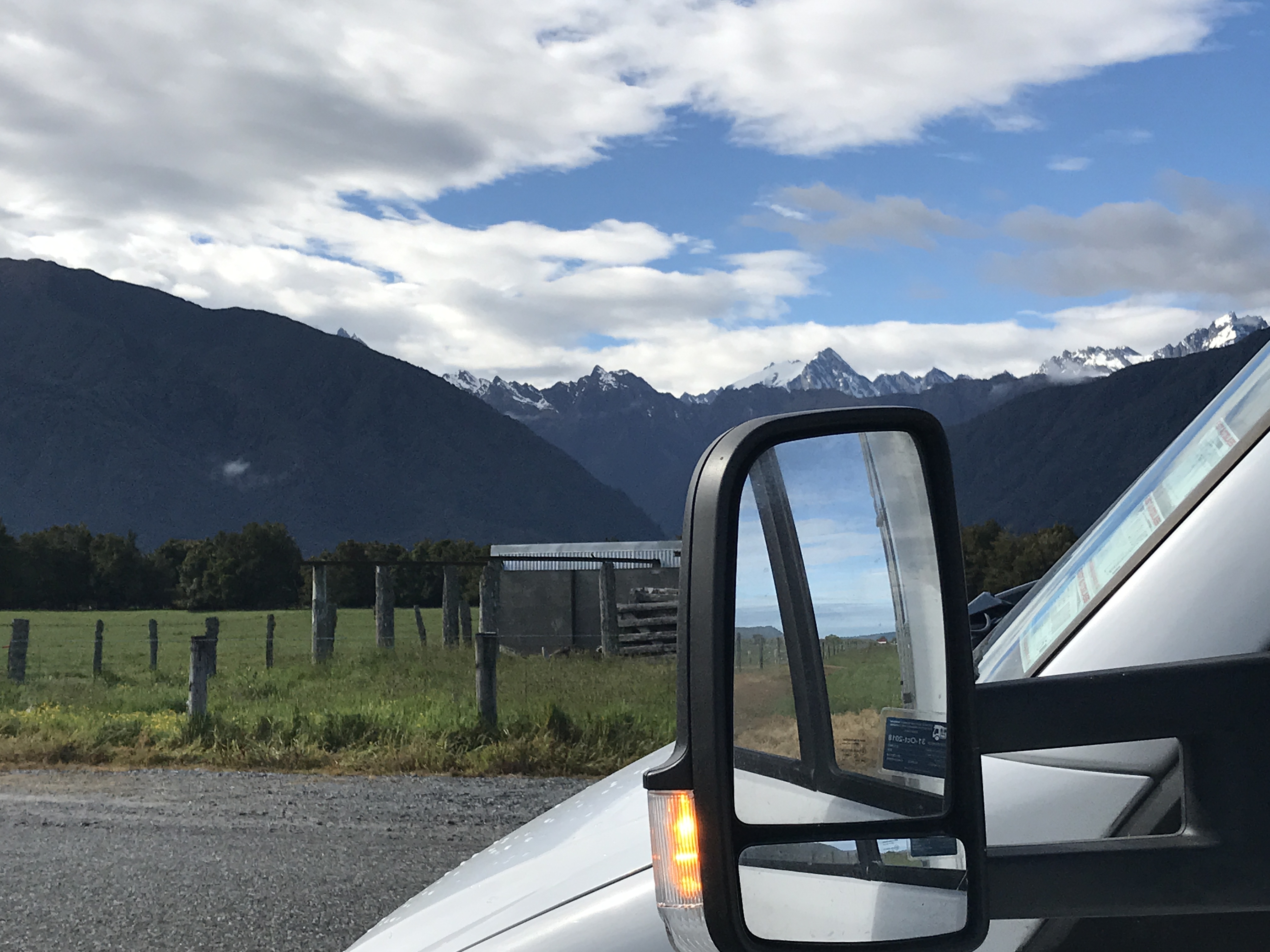
If you get the opportunity to travel New Zealand in a campervan with your kids, here are some tips to maximize the fun and minimize the headaches.  These are ten tips from the Paradise Family who traveled with their three ‘tweeners in November of 2017.

  1. Don’t go far on Day One It’s daunting to pull out of the campervan parking lot with a large, heavy vehicle, drive on the left, maneuver narrow roads and single lane bridges and navigate where you want to go.  The last thing you need is pressure to be at a certain place because you have a reservation.  You may very well push yourself past your instinct for safety.

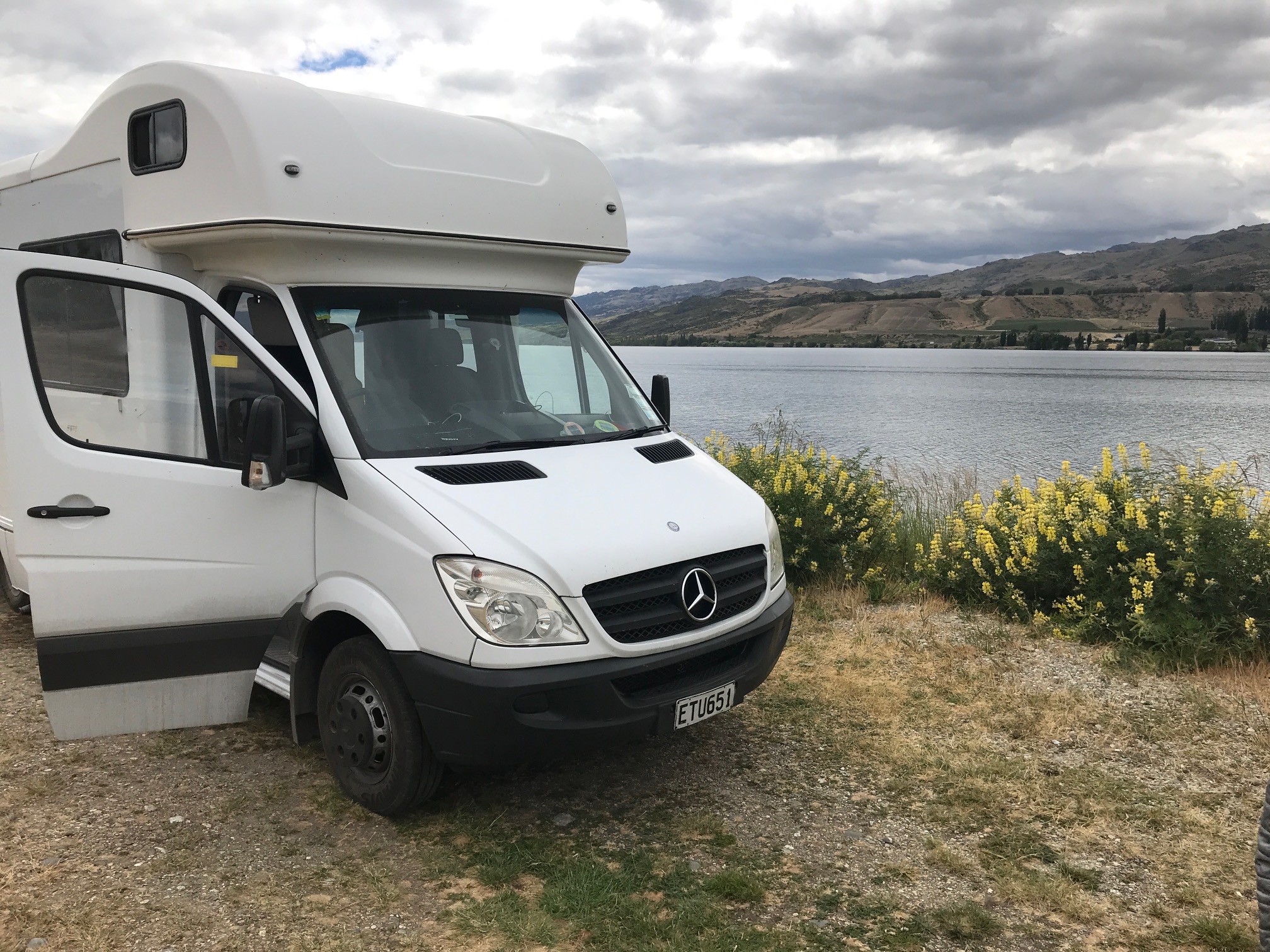
    You can enjoy views like this and stop whenever you need to stretch your legs.

  2. Driving is a two-person job One person needs to be the co-pilot: a second set of eyes, a reminder to stay left and navigate.  Copilot also gets the lovely job of entertainer (arbitrator) of the kids, if they’ve come along.
  3. Stay connected Get a local SIM card for your phone. I got the $19 rollover card from Spark and used it once or twice a day to book places while driving, keep in touch with fellow travelers or to call the rental company with various campervan mysteries (deflating tires and missing knobs, etc.). Seriously consider the mobile wifi unit that your rental company will offer you.  They work wherever you can get cell service and it’s so nice to be able to read the NYT while drinking the morning coffee.  It takes the whole experience from camping to glamping.

    Another perfect and free camping spot.

  4. Structure There’s a dance between leaving space for the spontaneous event, like swimming with dolphins, and having a set itinerary. On the one hand, last minute bookings for activities and campgrounds may be impossible and on the other hand, who wants to be stressed out to stay on schedule when you’re on a vacation. This is all personal preference, but what worked best for us was to reserve the “bones” of the trip:  heli-hike on Fox Glacier, the cruise on Milford Sound the Thanksgiving dinner with cousins in Dunedin the powered camp sites; and then be as fluid day-to-day as possible.  A few times, I called to change the reservations without consequence, but the really popular spots do book up.
  5. Solar Bring solar chargers for your devices. We are not big tech people, but even our few devices were hard to keep charged when you’re only powering up every three or four days.  Our two solar chargers were great to keep phones and readers with a minimum charge for navigation, reading and a few email check-ins.  We kept them going on the dashboard all day and out on the picnic tables while we were at camp.  Here are our favorites.
  6. Bug protection! Make sure you have spray and long sleeve / pants.  The sandflies are vicious outside of the cities (which is where you’re most likely headed in the South Island.)
  7. Download the Apps It’s a modern world and the easiest way to navigate is by the internet… when you can get the internet… and keep your devices charged.  Campermate is THE app.  I also toggled between Rankers Camping NZ and FreedomCampingNZ.  On these sites, you can get up-to-the-day user suggestions and comments, like another social media avenue.  You can get the pin drops for google map directions to trail heads or make dinner reservations.  If a dump station is not maintained, other campers will let you know.  Incredibly useful.  And you won’t need to get the extra GPS navigation gizmo’s like Tom-tom or Garmin that the rental company will offer you.
  8. Check online for current road conditions We did our initial research for the driving itinerary from books and (apparently) out-of-date online sources.  A major earthquake near Kaikoura had recently closed the entire access to the Northeast coastal route we quickly realized in talking with people and confirmed with the Campermate app.  If your time is limited, you will want to know these things before you leave home.

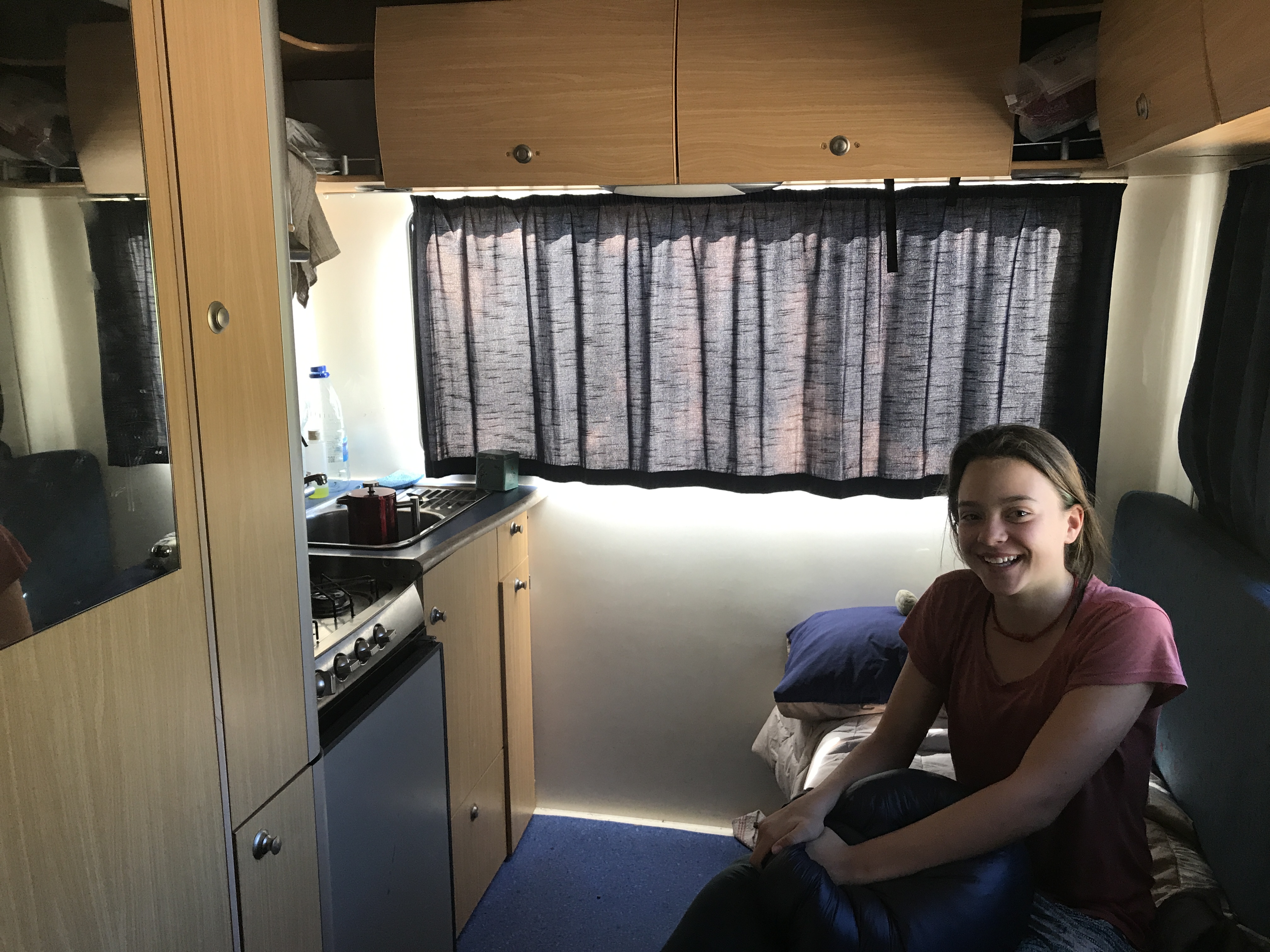
    Kitchen, otherwise known as Lorna’s bedroom

  9. Pack for All Weather We traveled in November and we had all kinds of weather: hot, cold, rain, wind.  The Kiwis we met all said that their weather is totally unpredictable the last few years so plan for all four seasons of weather – no matter the season you’re going.  We were mostly in camping clothes, but it was also nice to spiff up a bit for the city or a nice dinner out.  If you want to have some nice dinners, perhaps pack a top that will make you feel as if you’re not camping for the night.
  10. Consider a Three-Hour/Day Driving Goal We had a LONG driving day on our fourth day out and the kids never let us forget that that was too long.  It’s great to break up the driving so that there’s just a bit each day.  It seemed that the rear-facing seats and the sway to the larger vehicle make it more difficult to take the motion for long periods.  Our three kids had strict daily rotation plans so that they all got to sit in each seat.

But whatever you do, do it.  These are days you will remember.  Here are our highlights and road schooling plans.

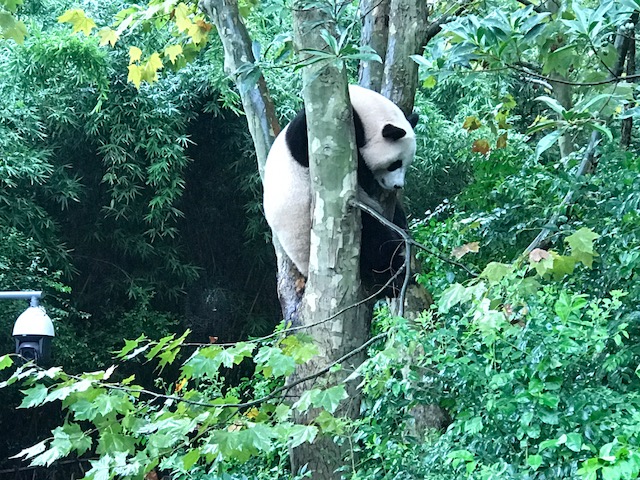
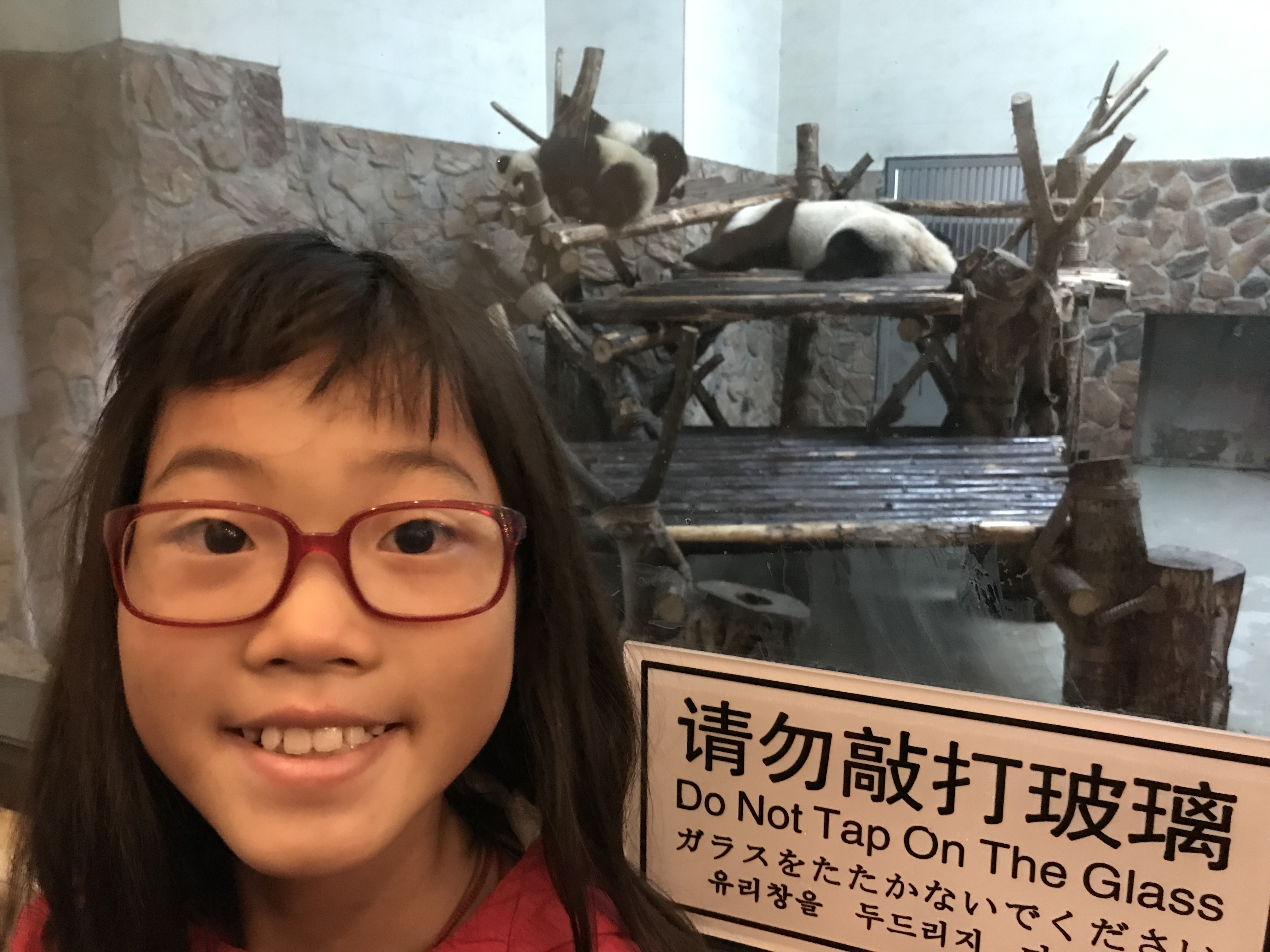
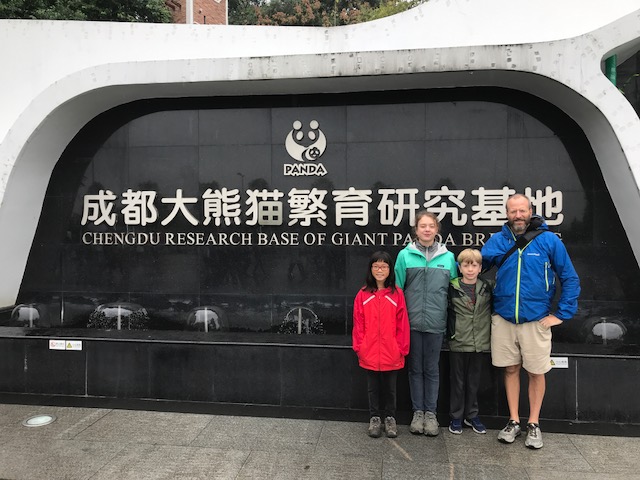
On a cold and rainy October day, we visited the Panda Sanctuary in Chengdu. Fat Pandas snoozing in trees make me happy. The big, cuddly guys find a fork in the tree, wedge themselves in, flop over and doze off. It takes a lot of energy to digest nine hours of bamboo eating.

Chengdu, Panda Sanctuary

If you don’t know what to look for, you could miss these guys!

There’s a reason panda’s popularity is so unwavering. They are objectively adorable and there’s nothing scary. They maneuver bamboo with big paws, roll around and snooze in trees. What’s not to love?

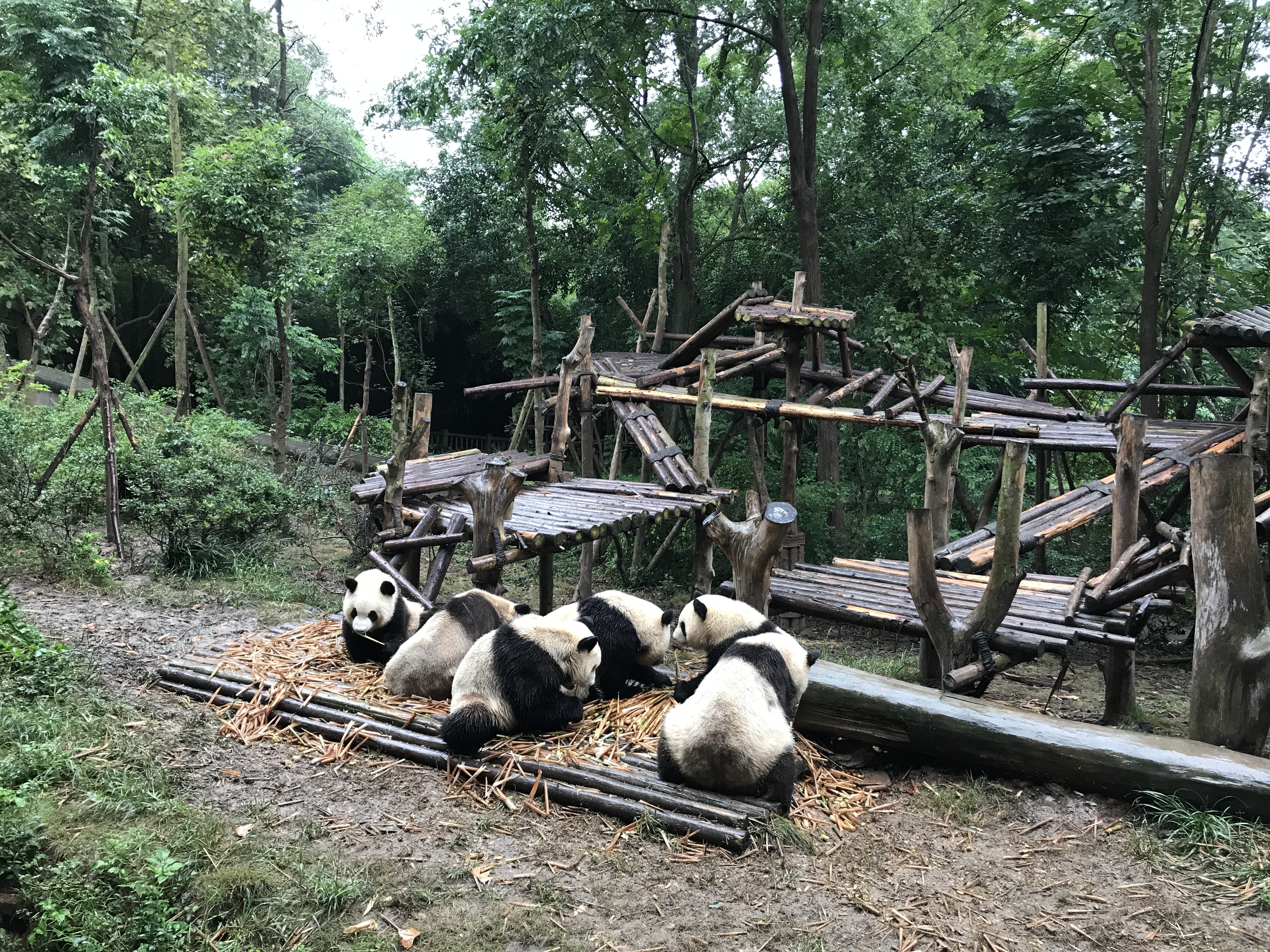
Eating Pandas

The Panda Sanctuary has birthing facilities for both the red and giant pandas as well as veterinarian centers and research buildings.  For the many bamboo-lined miles of walking, there are tea houses and bus lines to help make a day of the visit.  For our October visit, there were very few Western visitors but crowds of Chinese tourists.  We were told that the pandas are more active in the colder weather and that it keeps most tourists away so we were glad for the cool day.

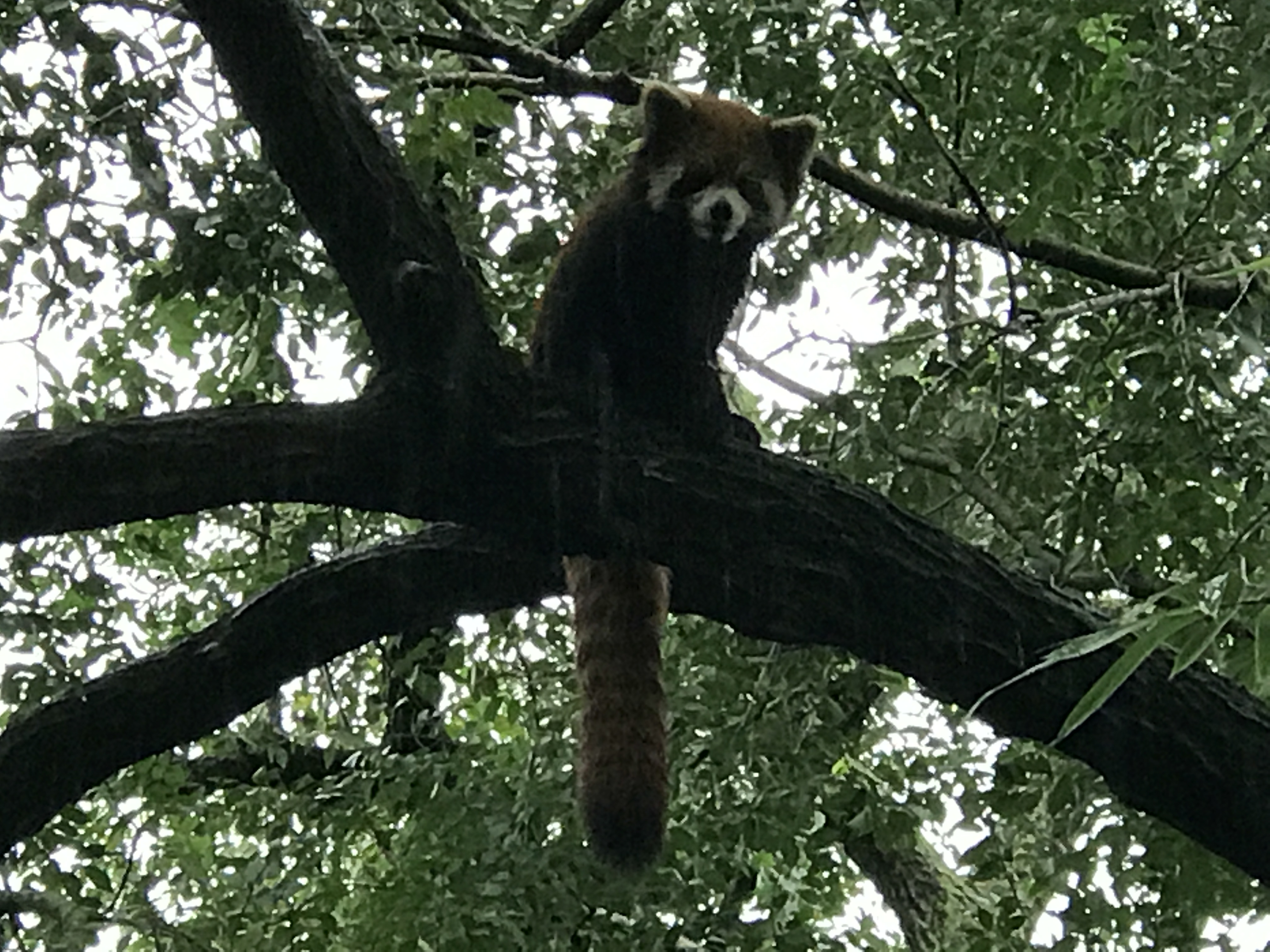
Red Panda, Chengdu

Red Pandas too! There are still some of these guys in the wilds of China, Nepal and India.

Chengdu, though the Panda Sanctuary, is home to the movement to reintroduce them into the wild. “Panda” is the city’s logo and you can feel the pride of ownership to this movement. The current guess is that there are ten or less pandas living in the wild, so you cannot simply release pandas born in captivity into the wild to reintegrate with the others. They need to find enough food, water and open space to find a mate and raise their young. How can they learn these things if not from other pandas? Do they have predators? (Besides humans?)Panda Sanctuary, Chengdu

We saw a film about the protected wilderness just outside the city limits where researchers are trying to reintroduce them. There are actually humans dressed in panda suits (think high school mascot suit) who are acting out what pandas should do and where to go. It’s, at first, funny to watch, then it starts to feel pathetic – a kind of groveling to the wildness we once knew. Maybe it’s more like complete dedication? I just hope it works because it’s sad to think that these gentle creatures won’t survive without such extreme intervention. And what happens to the mascot people in mating season?

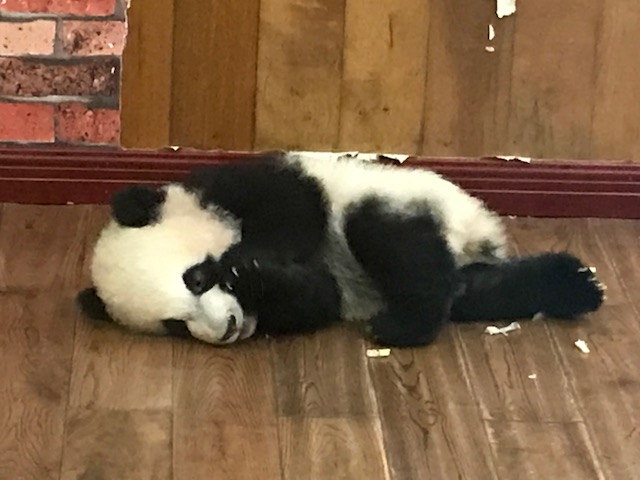
Baby Pandas in the nursery

The Paradise Family happily stood in the drizzle to watch them snooze peacefully. We all giggled in wonder. Even Will. And that’s saying something. The kids walked away asking, “What can we do?” “How can we help?” (The best kind of road schooling!) And I guess the answer is the same as it is for most environmental issues: reduce, reuse, recycle and don’t eat meat. Meat consumption, and the need for grazing lands, is the leading cause of wildlife habitat destruction. Through our time at the Panda Sanctuary and their educational kiosks, our kids really saw the connection of it all.  Kids will grow into adults who will protect what they love.  And we definitely love the pandas.

Panda Sanctuary, Chengdu

Before this year-long educational odyssey of fun and adventure, I created my own brand of curriculum for my kids. I thought of books to read, projects to enjoy and fantacized about all the real-world learning that would happen for my kids. But Nepal schooled me too. Here is my listicle for the ten lessons I learned from Nepal.

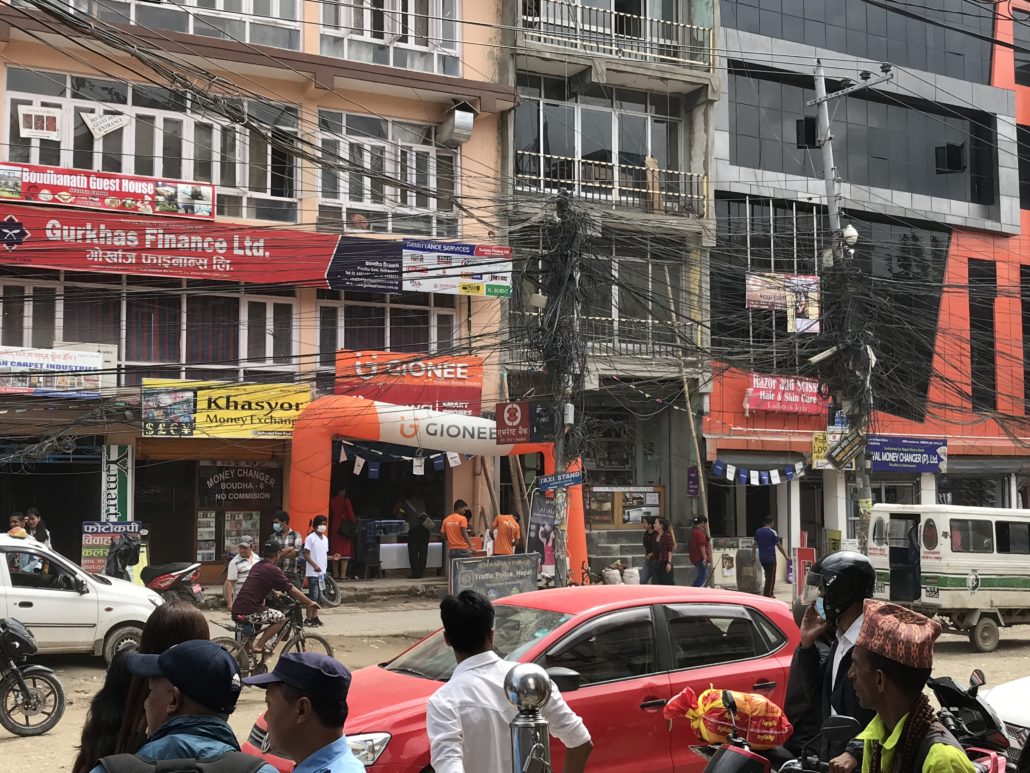
1. Bureaucracy ain’t that bad Boulder’s building codes and seemingly arbitrary development restrictions used to drive me crazy, but after witnessing a real laxity of rules, from snarls of wires to newly built homes that crumbled in the earthquake, I have a newfound respect for red tape.

Kathmandu, Nepal,

Wires and Traffic…

2. Generosity Yes, Nepal has a free market economy, but the people don’t really think that way. There is a collective happiness mode of thinking that is absent in the US. People, even the poorest of the poor, will offer whatever they have to Patagonia-clad travelers. I had people offering me corn, or biscuits or tea… lots of tea. It will boggle you.

3. Spirit Worship is in Every Vista Prayer flags, altars, statues, stupas, chortens, even these tiny offerings on the floor of a tea shop that went unnoticed through the first month or so before I realized where to look. There are little altars to the spiritual world everywhere. The bathrooms in most of Nepal (not ours) are not nearly as clean as the US, but there’s a different sense of where to put your efforts. As a traveler, you notice the grime before you notice what takes its place. And what takes its place is, ultimately, more important than a sparkly potty. I hope to create more of these gestures to spirit when I return… and have a clean bathroom.Altars on the phone box

4. We are Preoccupied with Safety After the first few days in Kathmandu, I gave up on seatbelts. Crossing the street, I gave a wide berth to oncoming traffic and then realized we would never cross the street. So, we just started to cross and indeed, we stayed safe. As a mom, I am wired to scan the situation for potential hazards, but watching moms cradle newborns in one arm while balancing, helmetless, on the back of a motorbike through potholed traffic, rejiggered my sense of what is safe. There was no sense of safety’s ground zero. And isn’t the cocooning of our American children a bit more about frivolous lawsuits and consumerism than actual statistics? I still will have a hard time being too lax but it really makes you think.

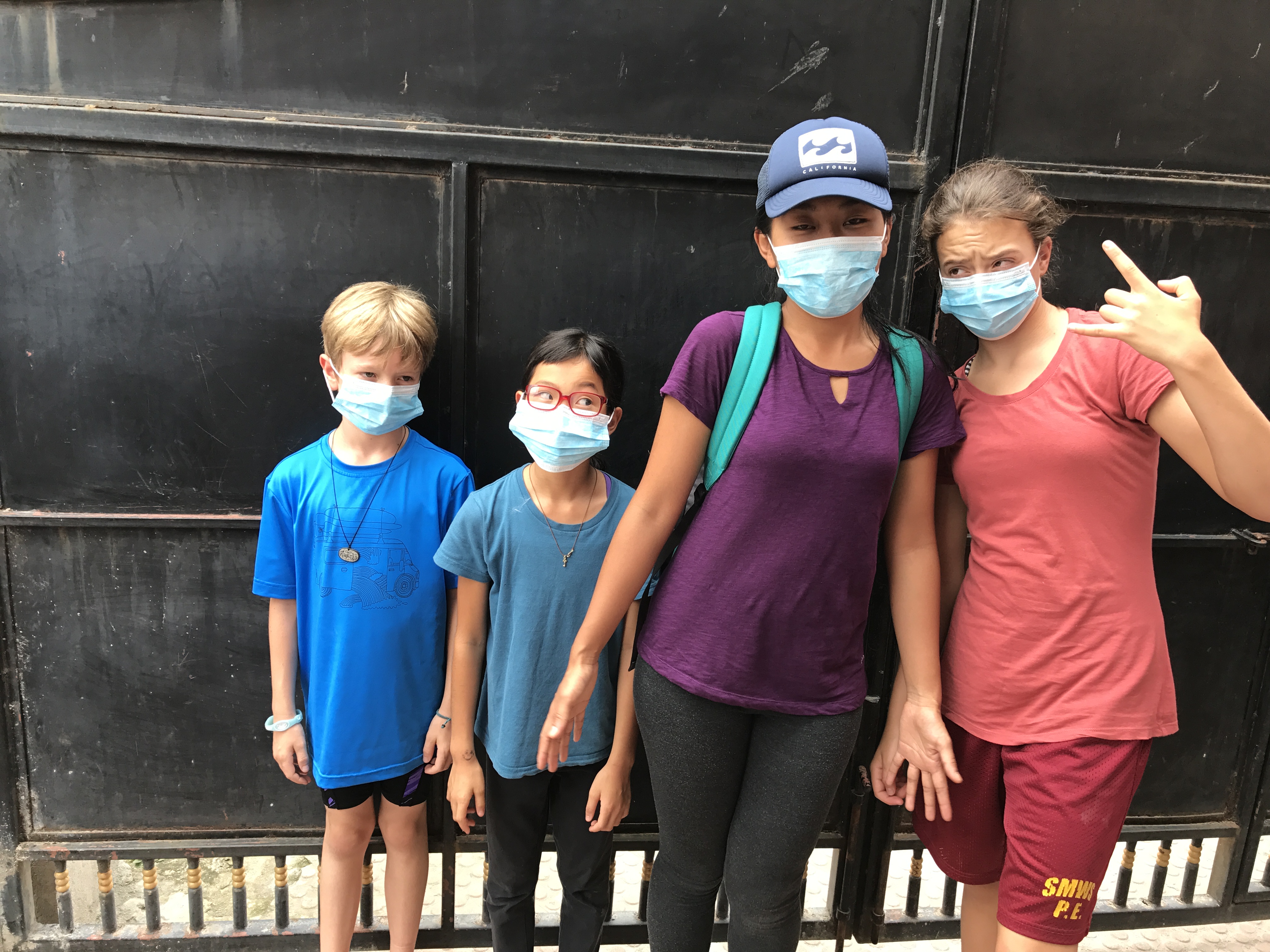
5. Clean Air I really don’t think I can live long-term in a place that requires me to wear a pollution mask. I love Nepal, love Kathmandu, but I have a new-found appreciation of the air of Colorado and look forward to no grit in the eyes and teeth at the end of the day.Masks for the road

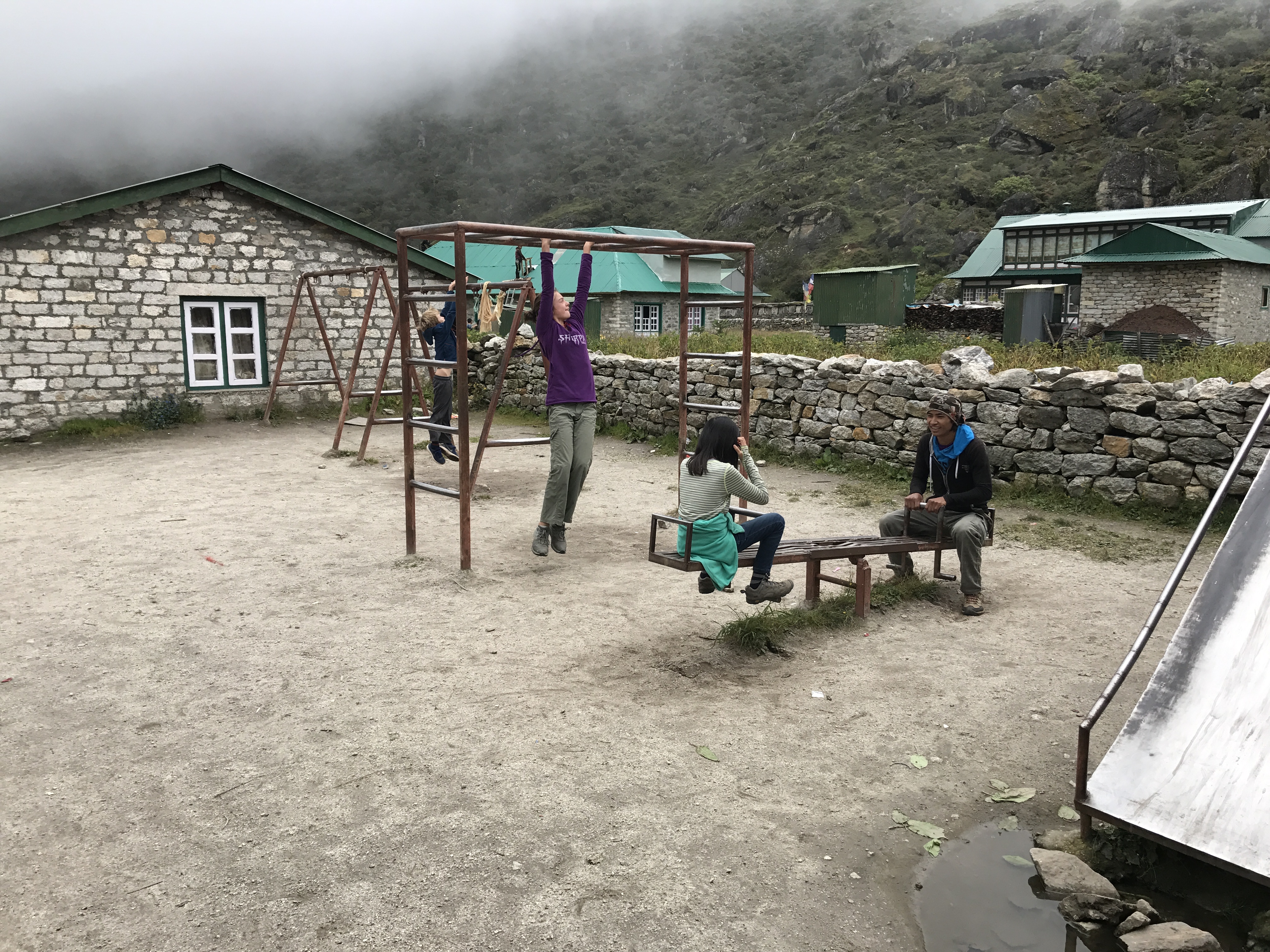
6. Kids Need Space I love the parks and open space for kids in the US. Kids need a safe place to run and be physical. Kai played soccer of the roof terrace and threw the football in the street, but cars came and wires were overhead. And it often went into the neighbors’ yards. We spent three afternoons at hotel pools so the kids could swim and splash and run on the big, expansive lawns. They were going stir-crazy without a place to run.

Khumjung, Hillary School, Nepal, Solukhumbu

We co-opted the playground at the Hillary School in Khumjung.

7. Women Juggle Work and Family The World Over It isn’t a Western woman’s balancing act, it’s a worldwide issue. Many guesthouse owners were moms who put their kids in front of the TV or video game to make us dinner or tend to the guesthouse. Professional working moms in Kathmandu were happy for job shares or three-quarter time opportunities. Women want and/or need to work outside the home and balancing family care is tricky wherever you are. But here cooking and housework, seems to be less automated and there is no alternative to slow food.

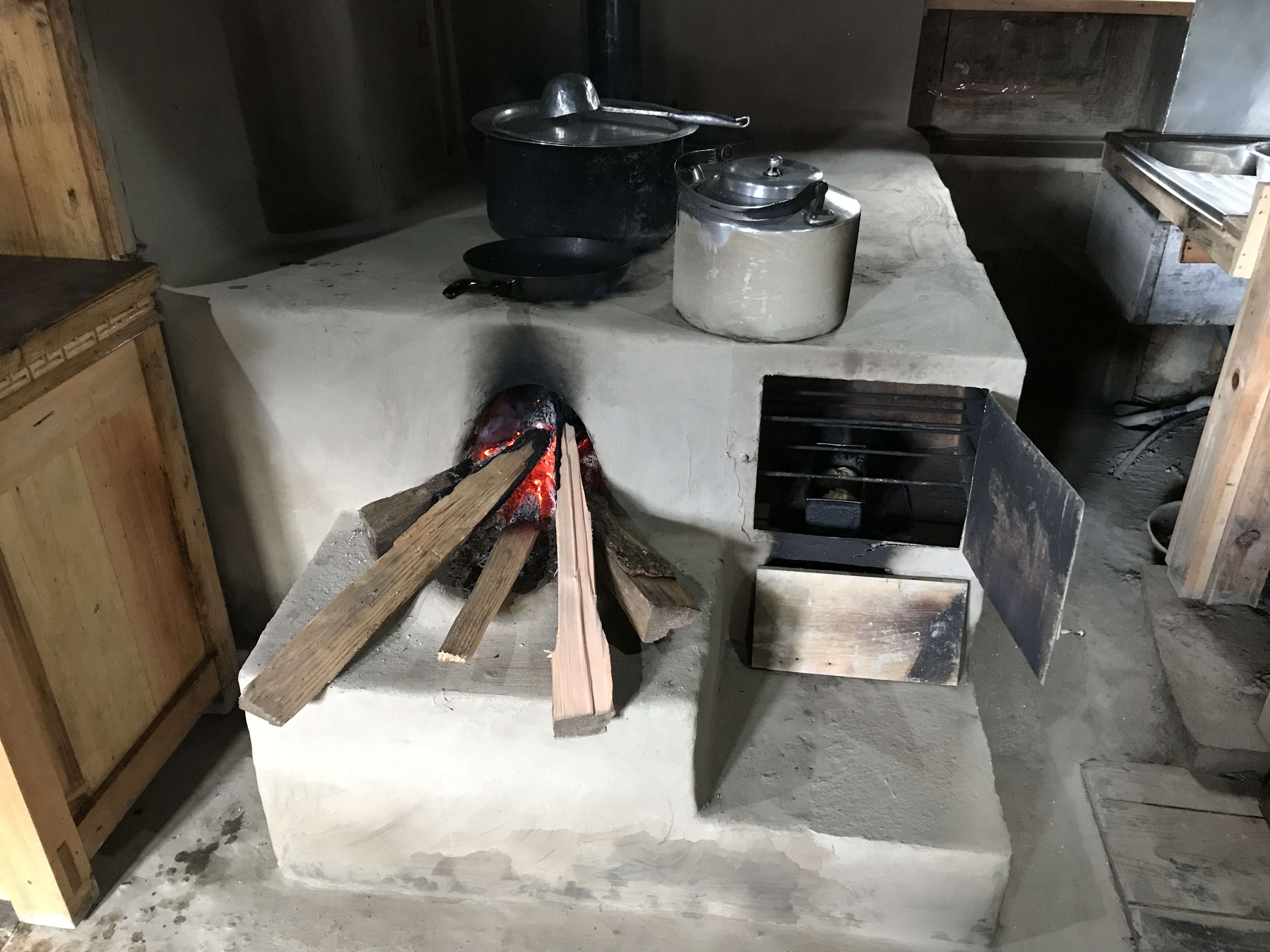
A typical Sherpa kitchen. Dinner starts with procuring firewood.

8. The Elderly Have a Purpose in Our Society I learned that life is richer when the elderly are enfolded into daily life. Actually, I relearned this from my time living in Thailand. I have so little interaction with older people in Boulder; I simply forget the calm and wisdom gained from spending time with a grandma or grandpa. The elderly in this country are visible and spend so much of their day in prayer.  Read here about Kancha Sherpa.

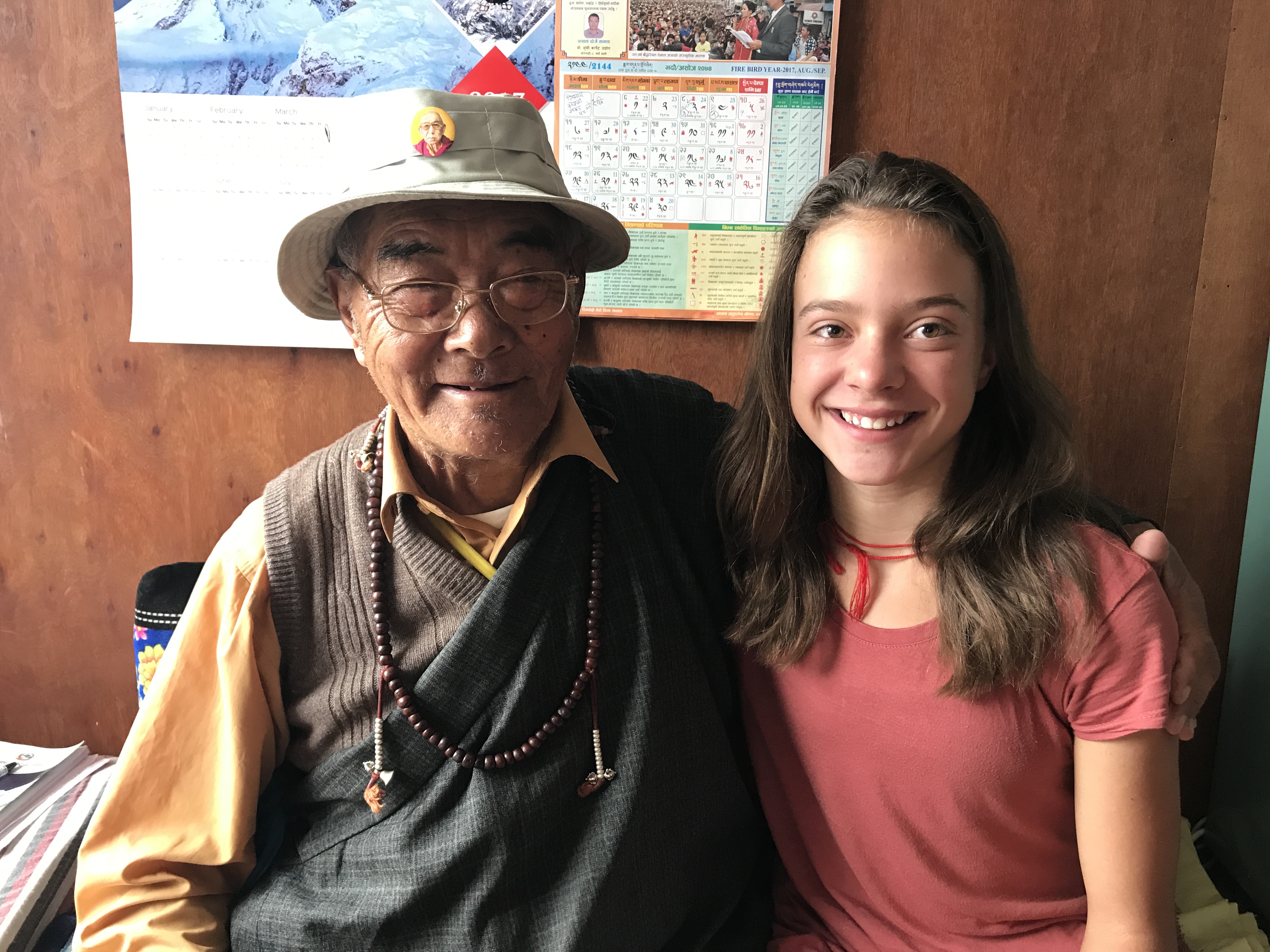
Lorna with Kancha Sherpa

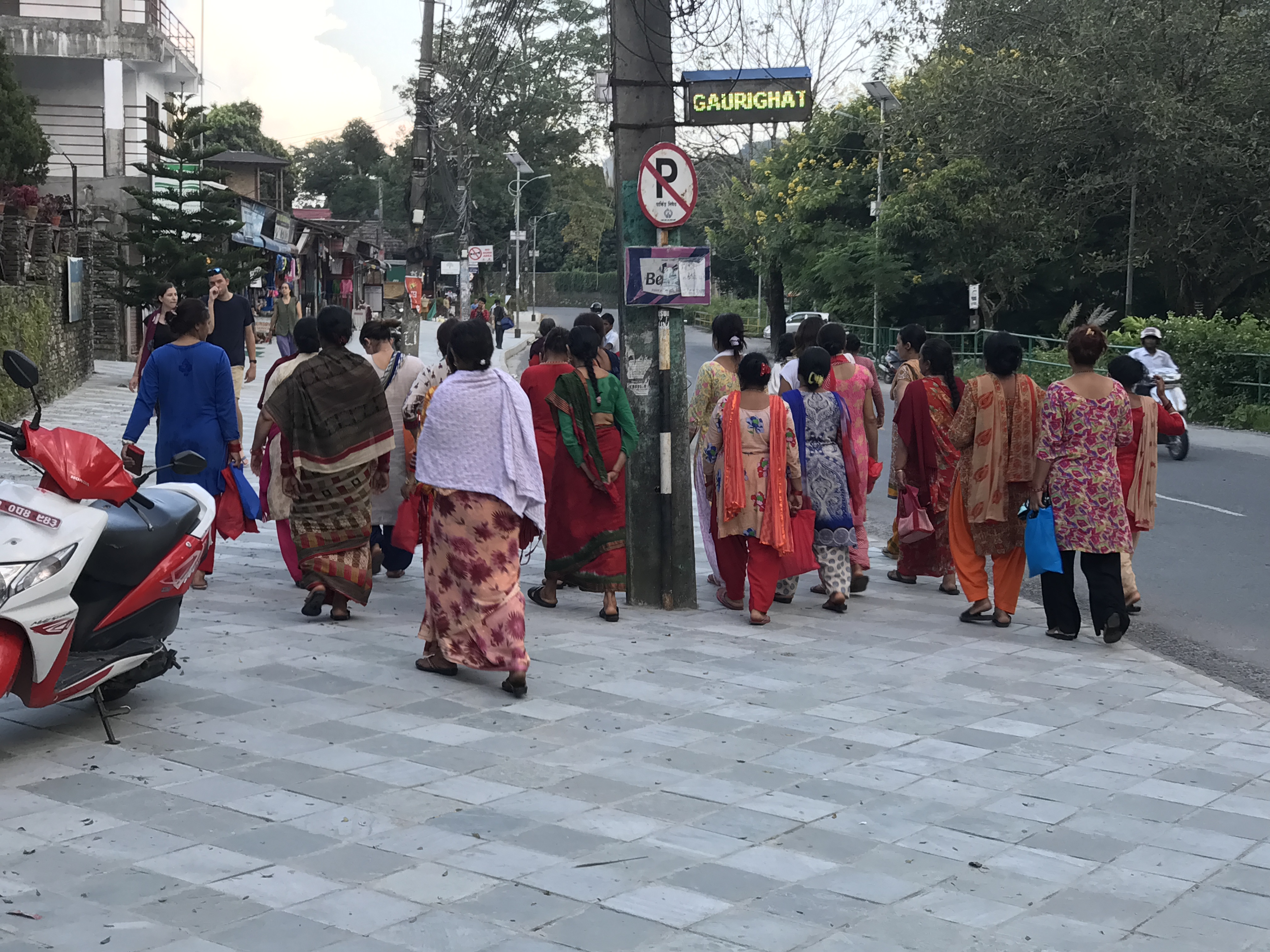
9. Commit to Color Nepali women don’t go half way with color. Their comfy cotton Punjabis are bright with surprising contrasts. There’s very little gray, or black or navy in the typical Nepali wardrobe. There are more and more people wearing Western dress and that lack of color does stand out. Why not live life more colorfully?

A group of colorful women out for a stroll in Pokhara

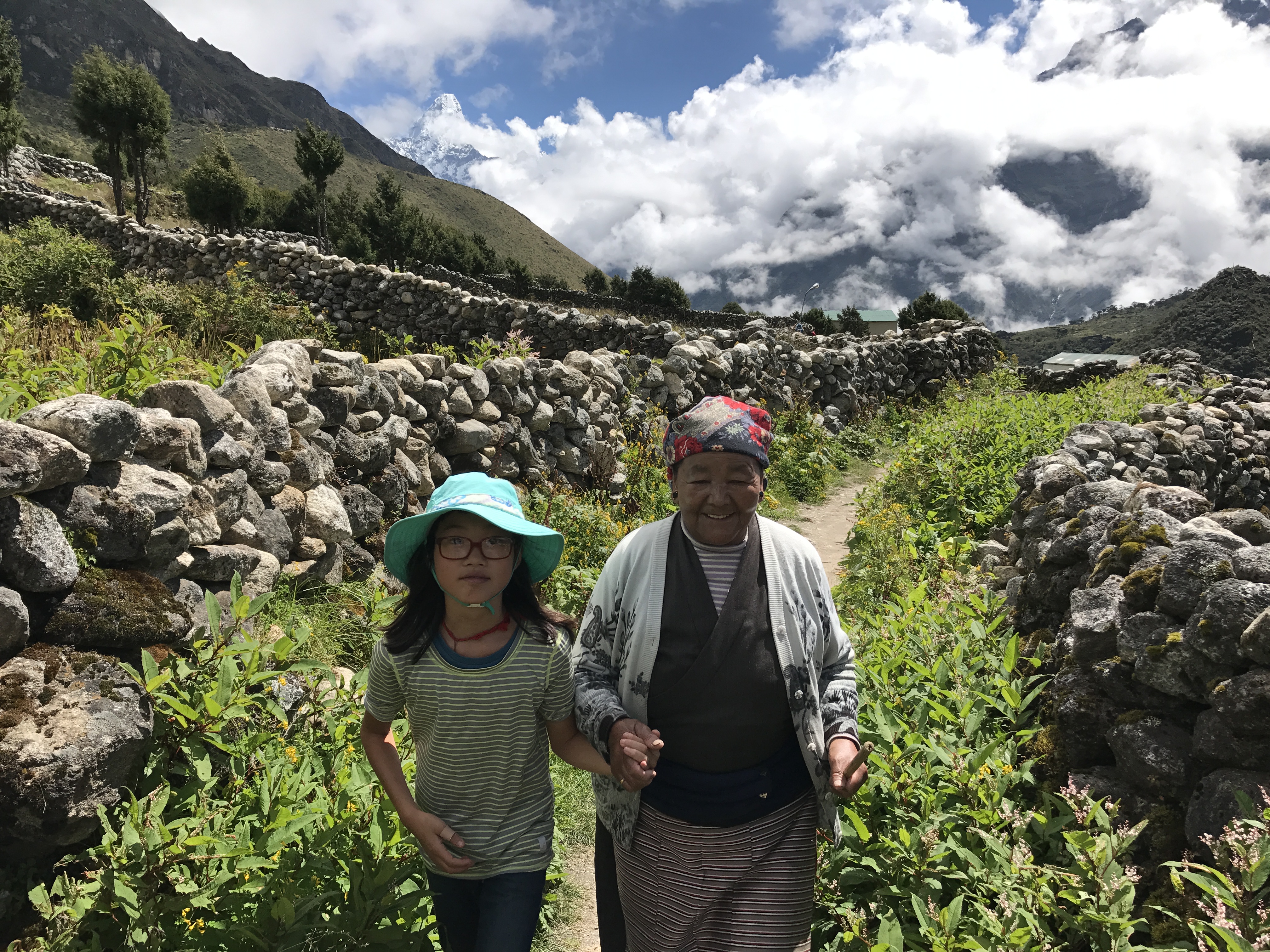
10. Walking and A Whole Foods Diet Help You Live a Long Healthy Life And in spending more time with older people, I was amazed at how fit and healthy the older people are. They walk (because their generation simply doesn’t drive) and they eat a whole foods diet – no prepared or fast food. One of our adopted 72 year-old grandmothers walked with us up to 13,000 ft. Another leaped to the potato patch in front of us and hoed up enough for dinner in five minutes. (We fumbled around with her and could admire her technique.) Keep walking and cook your food.

Solukhumbu, Nepal, grandmothers

This grandma can climb over 13,000 ft and chops her own wood.

All three of our kids have been Waldorf kids since kindergarten and a big part of that Waldorf curriculum is “handwork”.  Handwork includes: knitting, hand sewing, crocheting and woodwork.  This is absolutely, an unofficial rationale of Waldorf handwork pedagogy, but instead what I’ve gleaned from years of parent nights: learning to make things with one’s hands connects the children with confidence to the world around them as they learn how things are made; knitting also encourages hands to “cross midline” which helps prepare the young minds for reading; and, the manual dexterity and pattern recognition fires up all kinds of learning centers and helps to improve handwriting.  Once the kids know what to do, the Waldorf handwork classroom usually looks like kids silently knitting or crocheting while the teacher reads them a story.


Two of my three kids LOVE handwork and felt that the biggest downside to this year of travel and road schooling was to miss their regular handwork class for a year.  Aside from knitting and hand sewing, I am clueless.  The idea of being a year-long handwork teacher, makes me sweaty.  How could we pack light and keep this up?  In no way can I reproduce their school’s wonderful curriculum, with purposefully chosen projects for each grade.

family travel, handwork, Waldorf

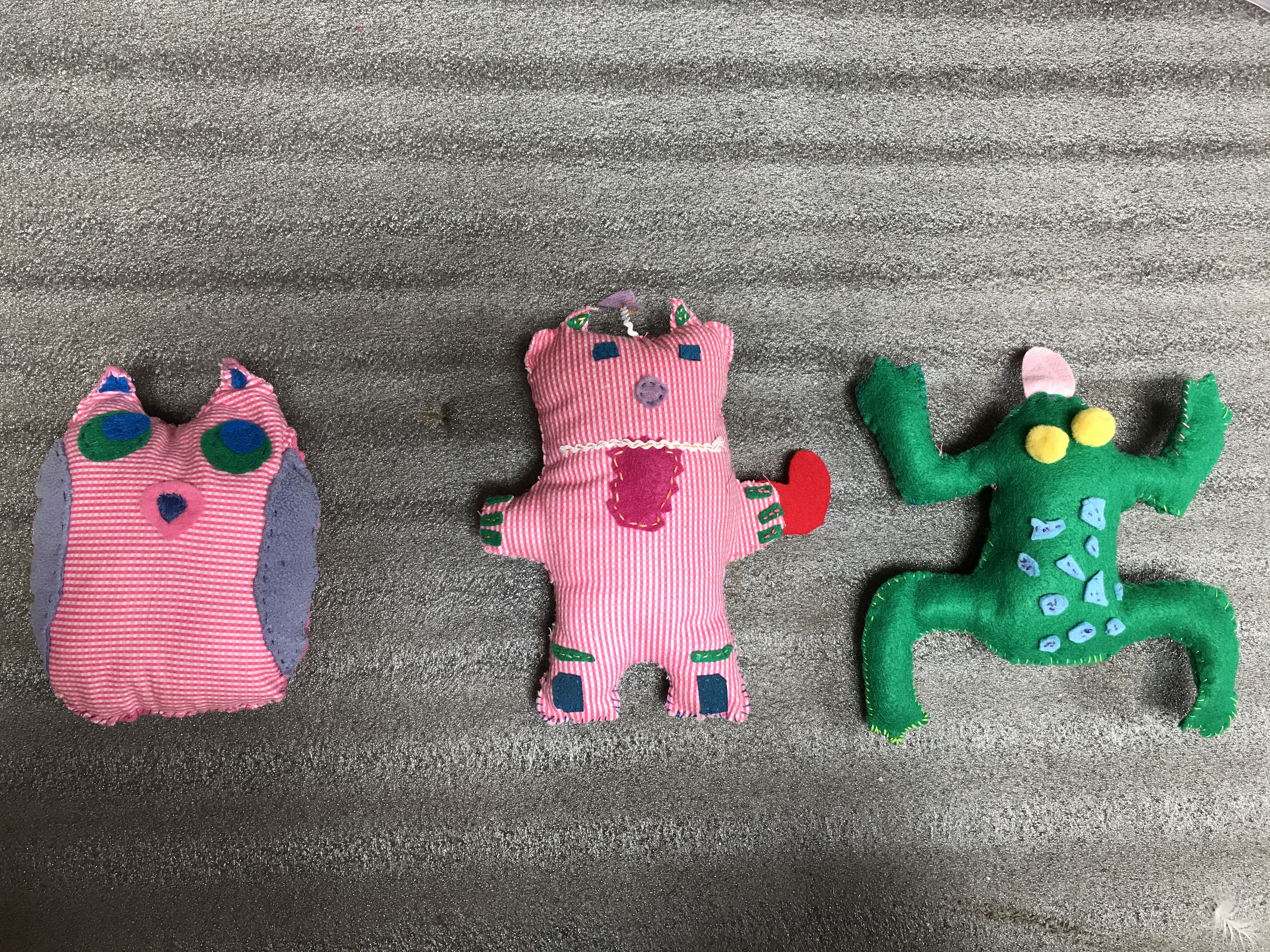
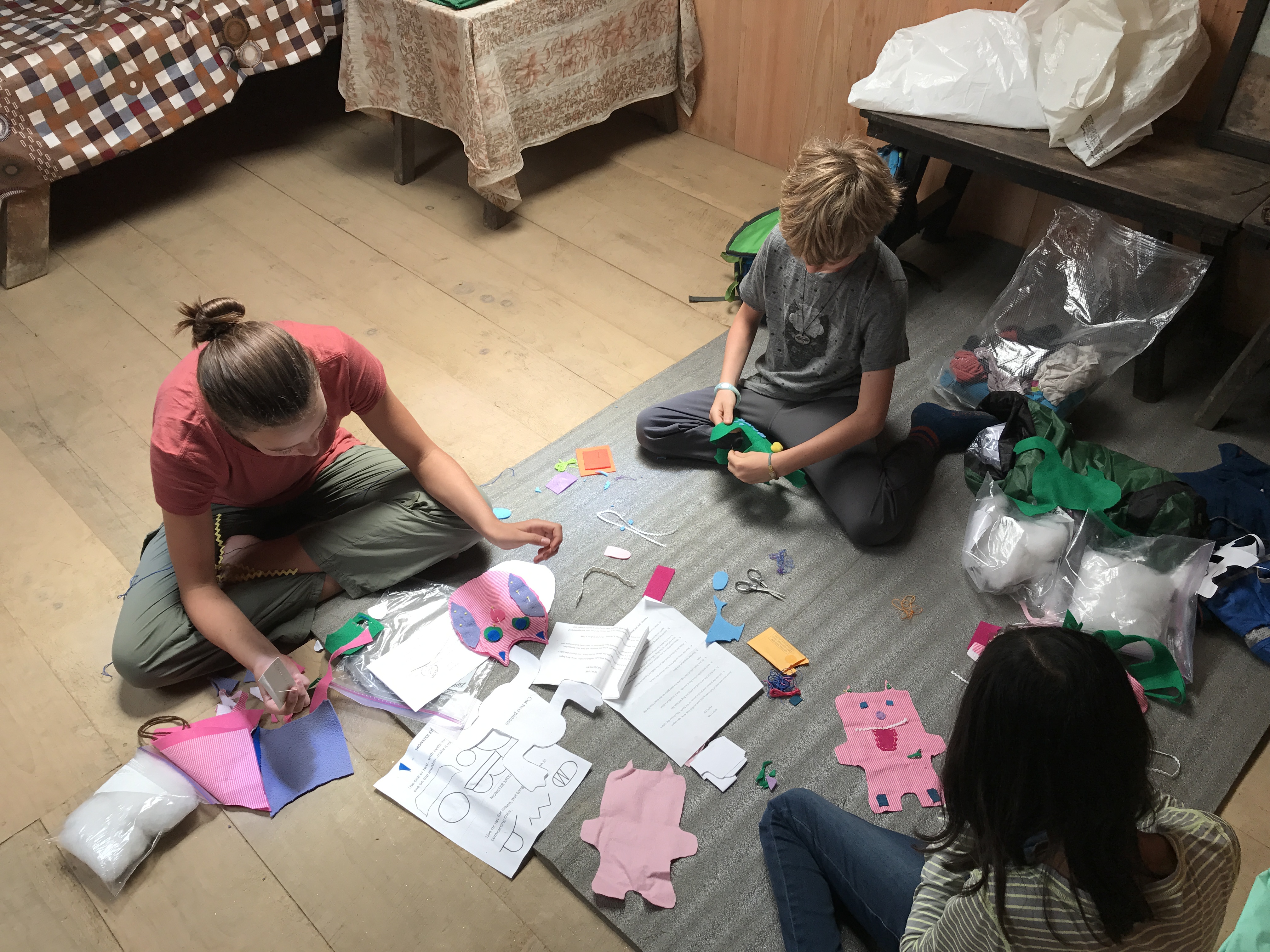
So we brought three sewing kits that the kids had gotten for Christmas.  They were wonderful gifts, but with our busy lives in Boulder the kits had been pushed to the back of the craft cabinet, waiting for a snow day that never came.  All the materials were neatly packed away to make three plush toys: an owl, a monster and a frog.  At the last minute, I threw them in a suitcase.


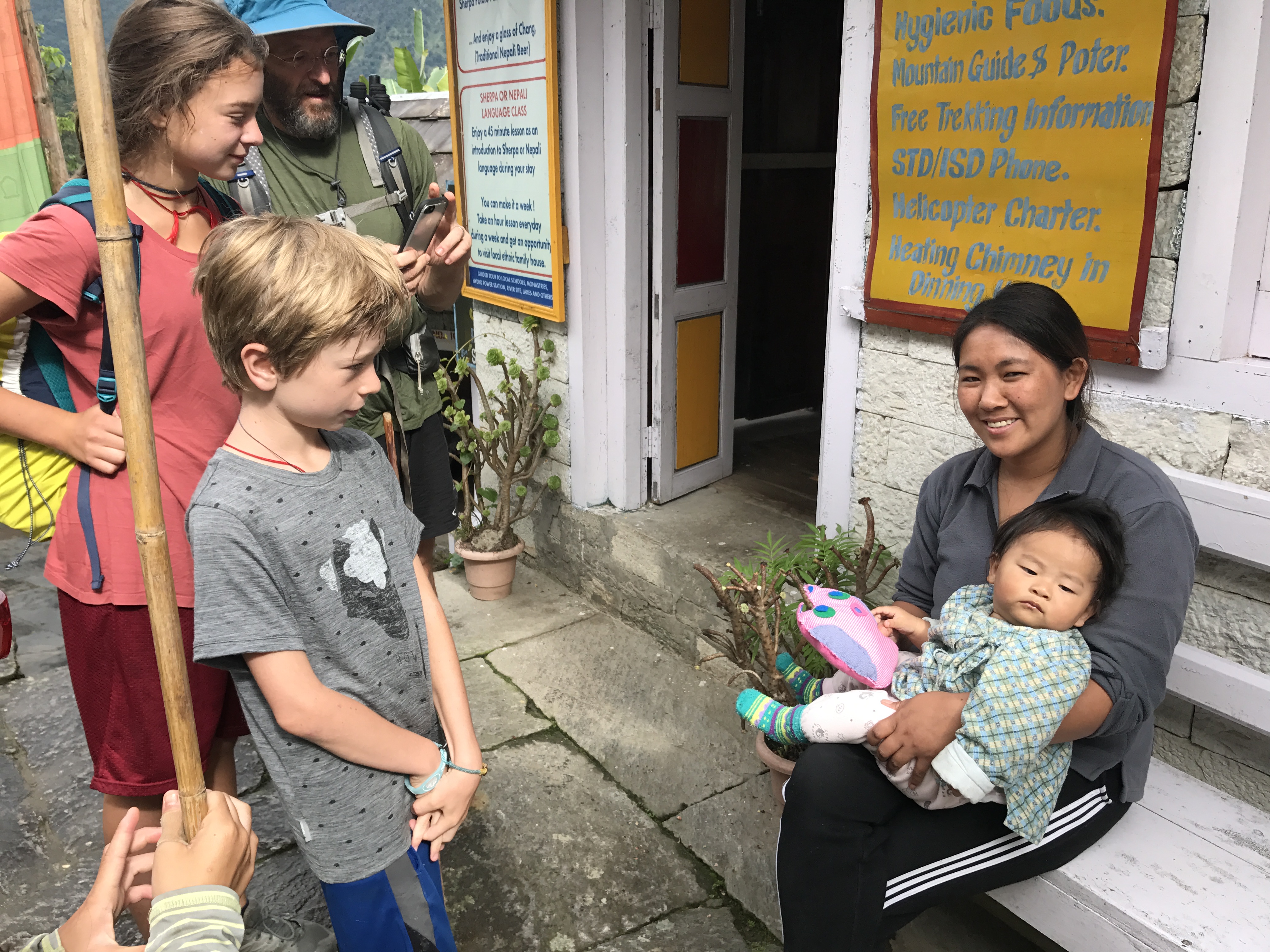
During our Sherpa homestay we broke them out on a few rainy afternoons and the kids happily got to work and were proud of their personalized creations.  The kids were really excited to give them away.  Everywhere we looked in Nepal, there were local kids with few toys to play with.  Kai had the easiest time and gave it to a guesthouse owners’ young child on the first day.  As far as we could tell, they were very happy with the gift and Kai was happy to see the young child with a “lovie” like the one he slept with each night.  Lorna similarly gave hers away a few days later, happy that she had created something that would make another child happy.  These kids have so few possessions.

family travel, handwork, Waldorf

Constructing the “lovies” took three rainy afternoons


Lucy has brought hers all the way to Everest region and back, about six weeks since she created it.  It was harder for her to separate with her creation.  I didn’t want to force her, but I also know that this is part of the lesson.  She has a stuffed bunny who she sleeps with each night and has never been interested in cuddling with her “monster” but it’s also hard to say goodbye to something that she created.  I could easily psychologize about reasons why, but her gifting ended up being the sweetest of all.

handwork, family travel, Waldorf, road schooling

Lorna giving her creation away…

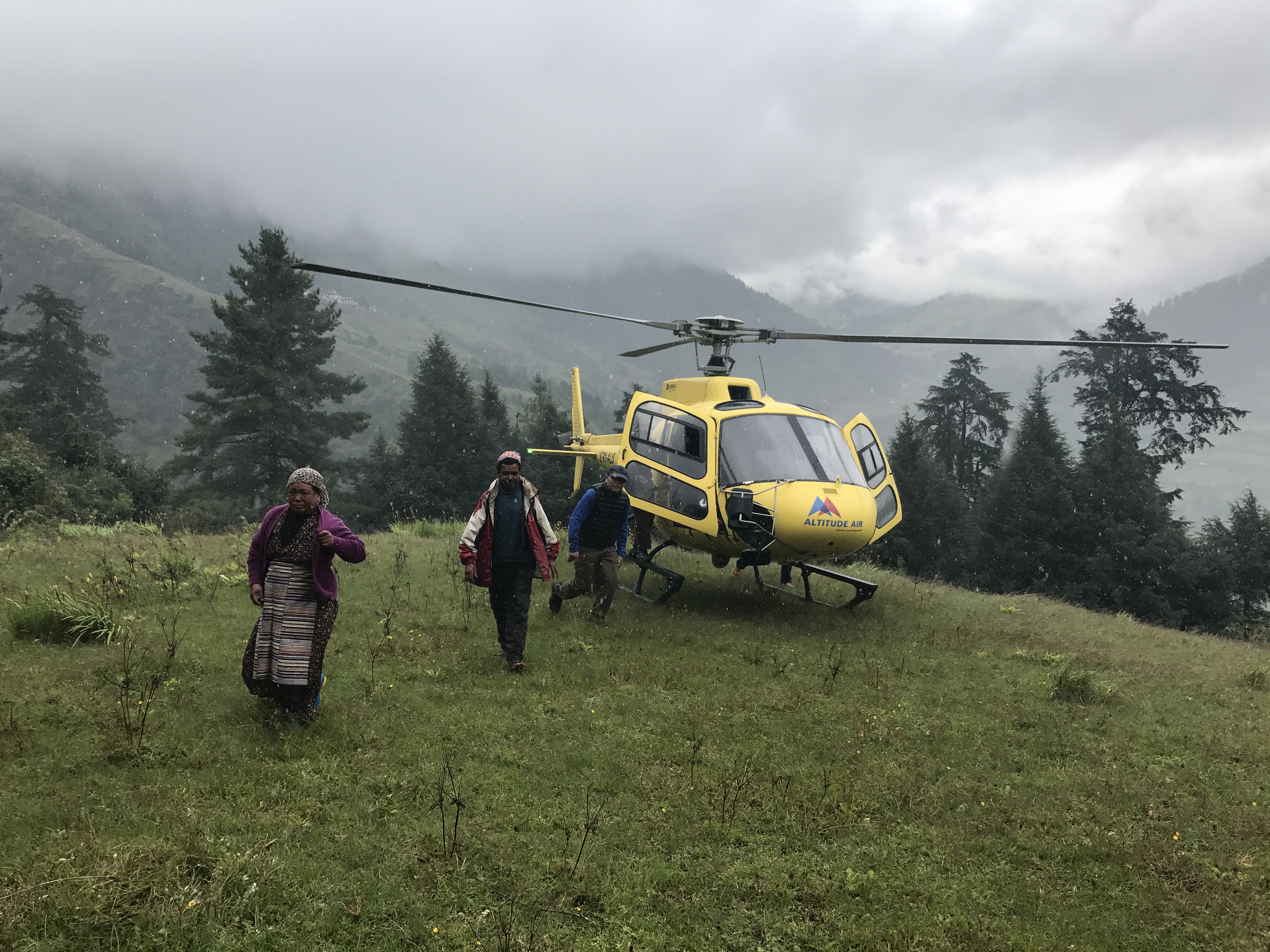
Back in August, our Nepali family’s grandfather was sick and needed to be helicoptered out of the village.  This is the house we stayed in for a week.  Grandfather, eight-five years old, was barely able to come to the kitchen and was moaning in pain.  How do elderly people survive in villages with no roads and no access to healthcare?  Well, they have family that can afford and finagle a helicopter airlift to Kathmandu.  (It would have been extremely difficult to carry him to the road and then it would have been an eight-hour jeep ride! This man needs to lay down.)

Helicopter arriving in Thumbuk. Monsoon clouds make it tough to find.


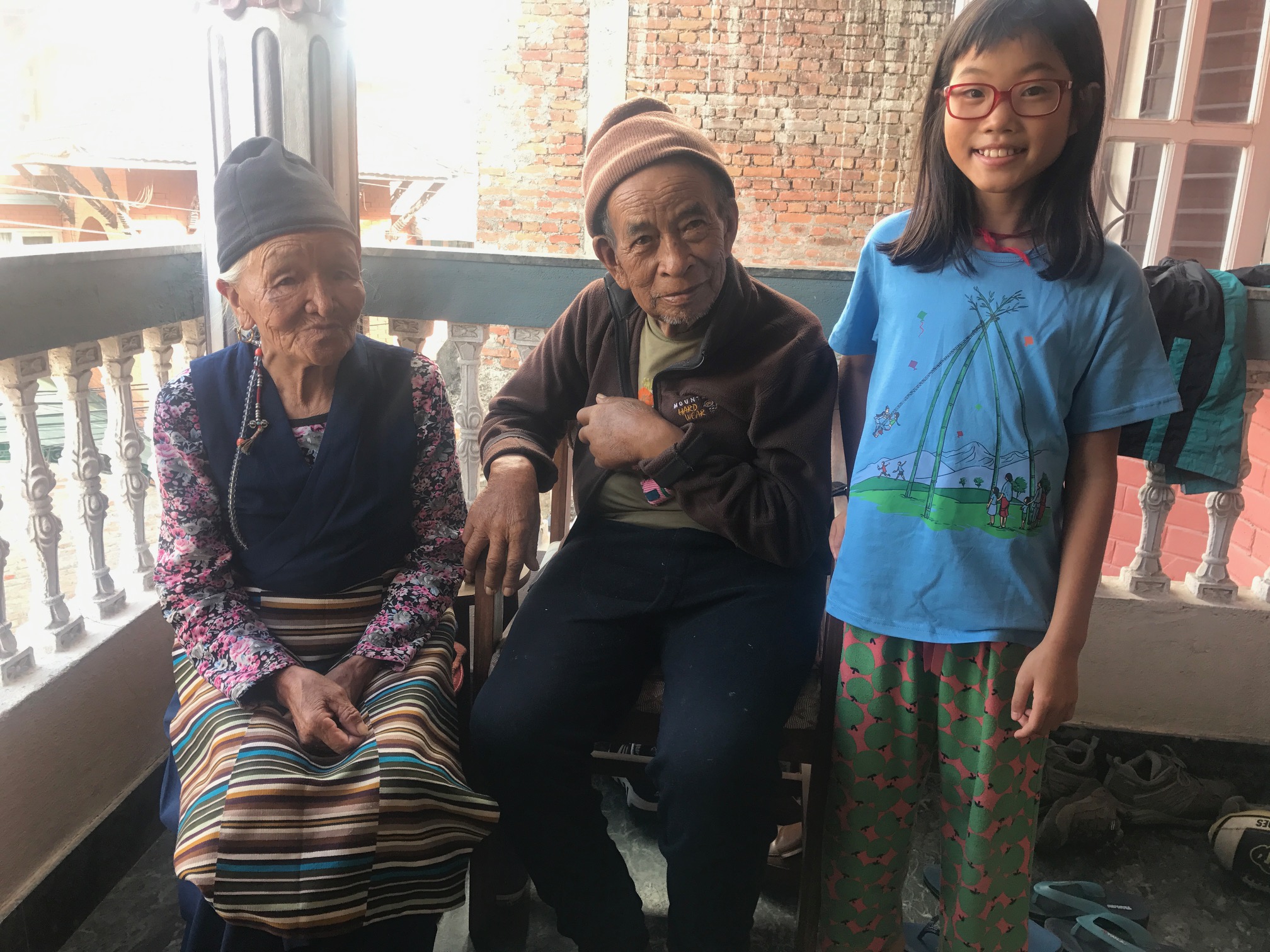
We all waited patiently in Thumbuk for the weather to clear and the helicopter to locate the field by GPS.  I stood in the clearing with a red umbrella and we lit a smoky fire.  Grandfather, Grandmother and Lhakpa flew with him to Kathmandu where he saw a doctor to relieve his pain and got further testing.  Spending time with Grandfather back in Kathmandu a month later, meant the world to the kids. You could tell that Grandfather was feeling better and interacted more with the children.  And watching the mountain helicopter rescue will be a clear memory for years.


Lucy gave her lovie to Grandfather just two days before leaving Nepal.  Grandfather took it, smiled and then quickly tucked it under his jacket, close to his heart.  Another reminder that it’s best to let Lucy lead.  And the best reason for us all to learn handwork is to create something of meaning to give.  It can mean so much more than a store-bought token of caring.family travel, handwork, Waldorf

By Lorna Paradise, twelve years old, contributing to her family travel blog.  These are her impressions of Nepal after roadschooling and spending two months in Kathmandu, Solukhumbu and the tropical lowlands.

Nepal is not a very big country. In fact, the state of Colorado is bigger than the country of Nepal. But, Colorado does not feel very big to me, because I’ve driven around a lot of it. But, to me, Nepal feels much bigger, because I’ve walked across a lot of it. And, to walk across it, you have to walk up, up, up, cross a pass, then walk down, down, down. One day we walked over a twelve thousand-foot pass, and slept at four thousand feet. I personally think that’s kind of depressing. You feel so amazing for climbing over this pass, then you sleep lower then you started.  Here is a post about trekking with kids and another about our Sherpa homestays.family travel, Everest, tween blogger

Nepal is an amazing country in a lot of ways:

  • Nepal is sandwiched between two giants, and has been for more than two hundred years. It’s still its own country, somehow, without a stable government.
  • No matter what Nepali people have to give, they give it.
  • On one side of Nepal, you have the Terai at sea level: jungle, tigers, like India. On the other side, at nine thousand feet and up, you have villagers who are extremely lucky to go to school, mountains, yaks, suspension bridges, (I can say a lot more about this area cause I went here.) But these two extremely different places are within two hundred miles of each other.

    Khumjung, travel blog,

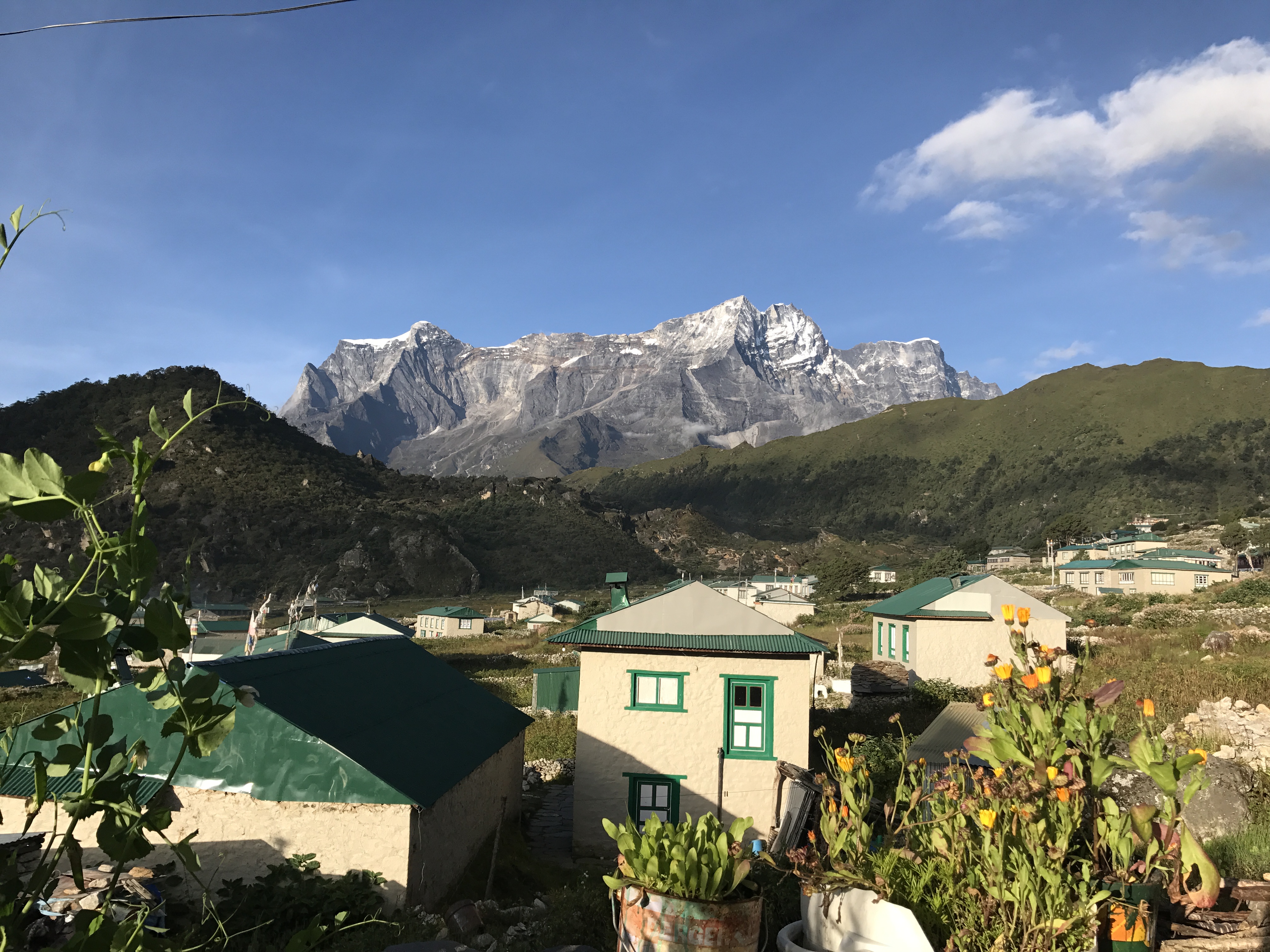
    We spent five nights here in Khumjung at 12,000 ft.

  • Somehow the villagers live with no fruit and very little veggies. To the extent that once we get back to Kathmandu, we eat all their fruit, all their fruit juice, and all their veggies.
  • the average Nepali knows 4 languages. 1)their ethnic group language,2) Nepali,3) English,4) Hindi. (For TV.)
  • Somehow doctors are allowed to go on strike.
  • The clothing is so colorful! Who cares about matching?
  • It has a ton of World Heritage Sites!
  •  It has so many cultures within its borders, all of which are celebrated with gusto ( that sounds really dumb, but I don’t know how else to say it)

We travel to China in 5 days. Nepal went by fast!! I loved it here, and now have some weird recommendations. (If you go to Namche Bazaar, stay at Nirvana Home Guest House.)

family travel, Namche, duo

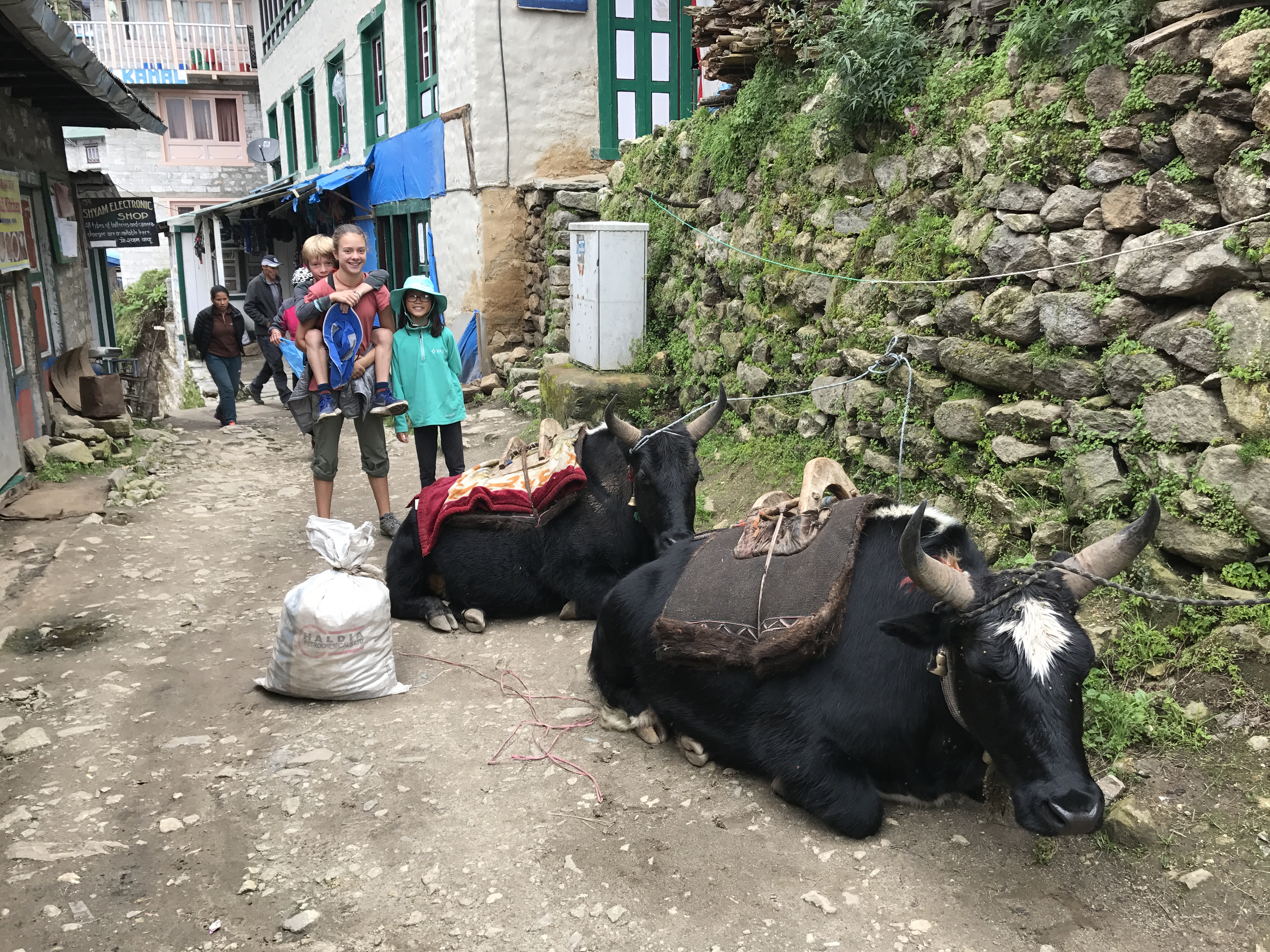
These are dzo’s (a cross between a yak and a cow). They carry the really heavy stuff to the market.

I REALLY miss friends, and things that are anything like home, but I’ve been so busy I haven’t had much time to think about it. My birthday is coming up. I’ll have it in China. Somehow I don’t think it’s gonna be anything like previous birthdays… I got to go paragliding in Pokhara as an early birthday present! That was awesome! Ive never had a birthday present quite like that before.

I’m ready to travel to China, and exited to see Kai and Lucy’s reaction to the fish market that neither of them remembers. You can also read about my first impressions of Nepal.

tween blogger, family travel, Nepal

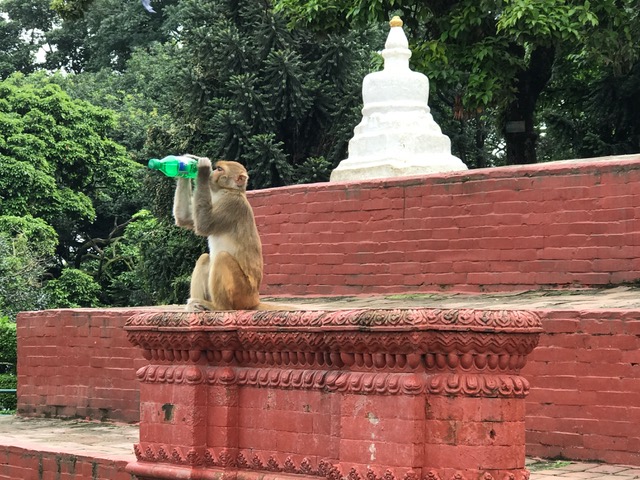
This monkey grabbed my drink right out of my hands and then bit a hole into the bottom to drink it!

When we pulled into Nirvana Home guesthouse in Namche Bazaar, I was most excited for a hot shower, a latte and some wifi.  But the true gem of our time in Namche was spending time with the presiding grandfather of the guesthouse, the Kancha Sherpa.  Truth be told, we had no concrete plans about places to stay.  We just followed our friend, Pasang Lama, to his old classmate’s place.

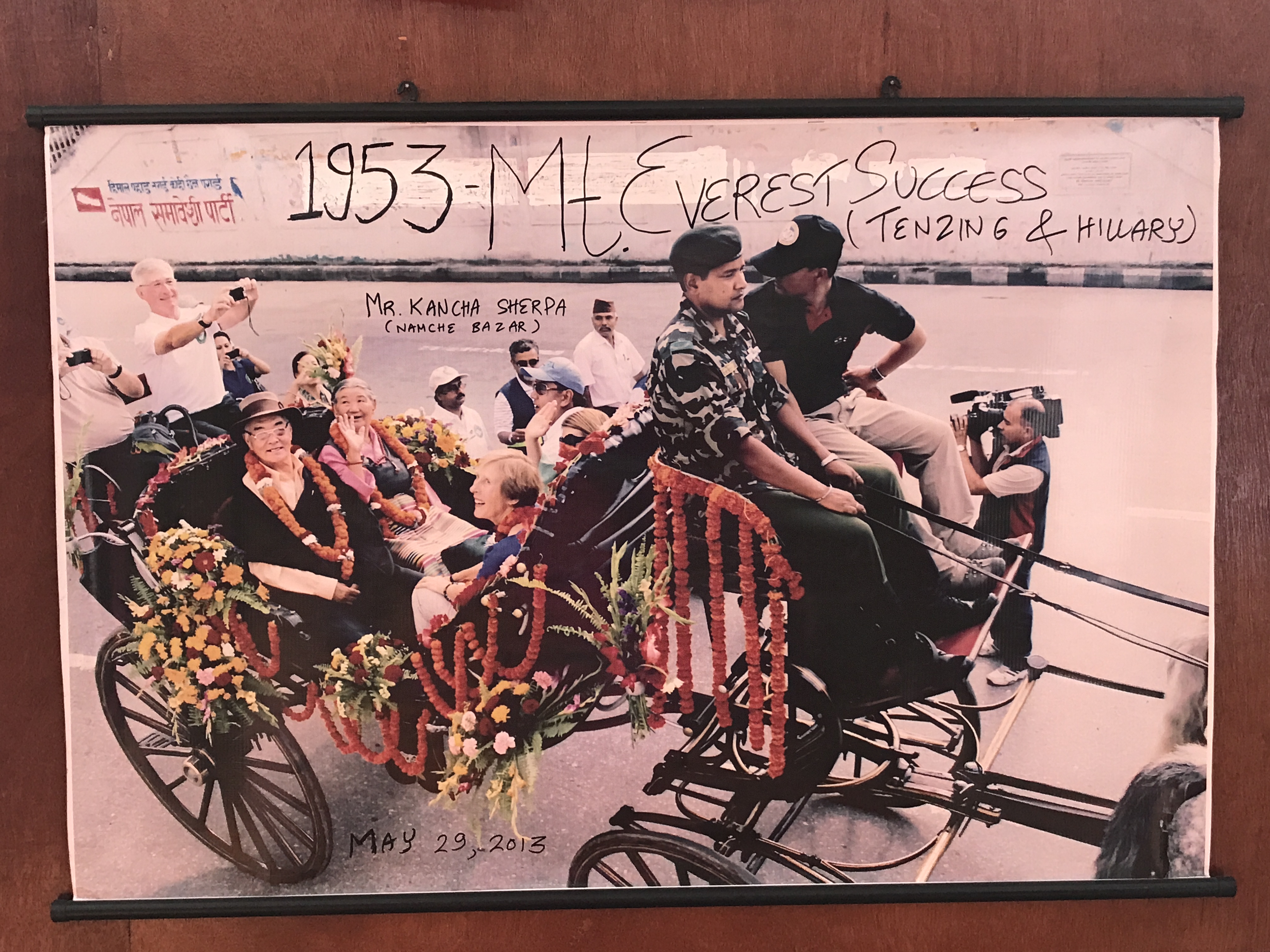
At first Kancha Sherpa impressed me because he is the last surviving member of the 1953 Hillary-Norgay summit of Everest.  (Around the Khumbu, you can’t swing a cat without a statue or reference to Sir Edmund Hillary and THE expedition that started it all.) Kancha waited with one other guy on the South Summit, just out of view of the tippy-top, for the two headliners to return.

At 85 years old, he is a bit of a local legend.  We gathered around the dining room’s “chimney” to warm up with some story time from grandfather.  The kids were into it.  This was road schooling at its best: learning from the source something that cannot be taught in a classroom.

Namche Bazaar, Kancha Sherpa, Everest

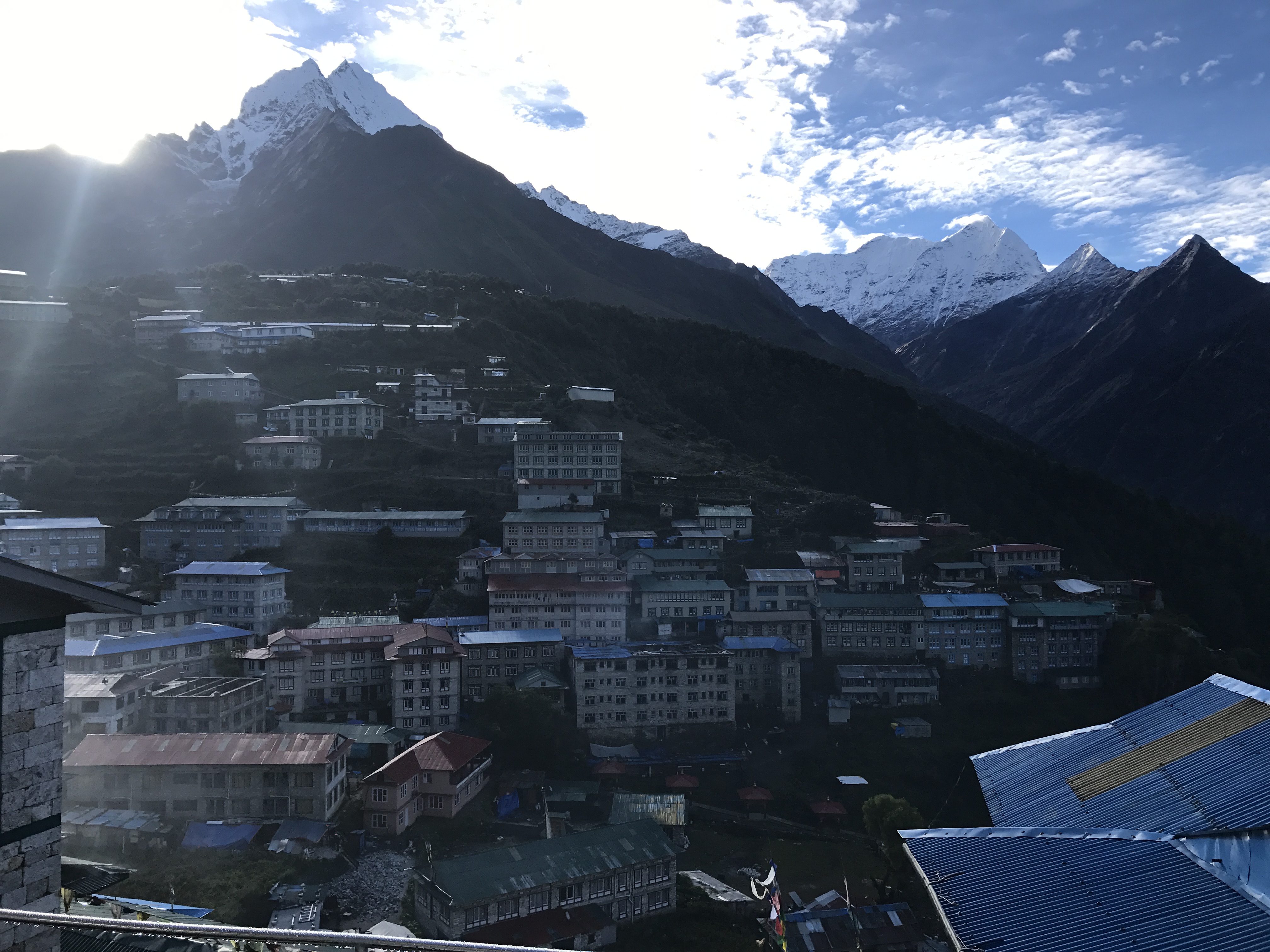
Namche Bazaar in 2017.

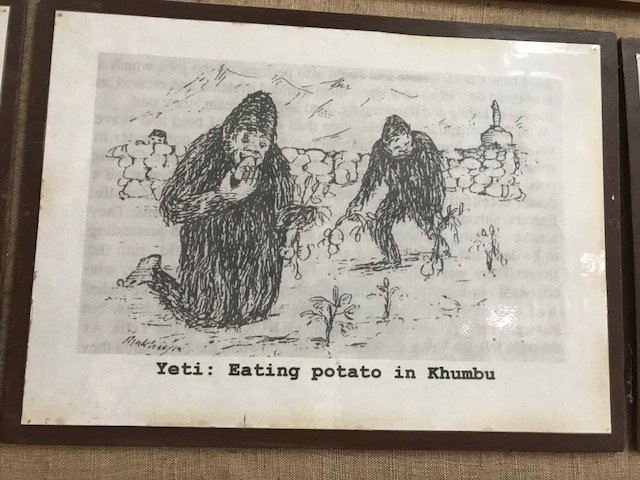
When Kancha was a child, there were just six houses in Namche and they would all band together, for fear of bears, to walk down to the stream for water.  When asked what other animals were plentiful back then, he said the yeti.  A “yeti” is like a extra-hairy big foot and many people in the Khumbu know someone who has seen one or been attacked by one.  Down in Kathmandu the yeti is more of a mascot – the symbol of airlines and silly tourist T-shirts.  But up high, he’s more real. There is even a yeti scalp you can see at a local monastery (for a fee).

yeti, Kancha Sherpa, Namche,

police sketch of a mischief-making yeti

As a young man Kancha Sherpa ran away from home to Darjeeling, India, in search of  work and an adventure.  Once in India, Kancha found his old Khumbu friend Tenzing Norgay, who hooked him up with a temporary job and eventually got him named on the Hillary Expedition.  The expedition walked with their gear from India, across Nepal and up toward Everest Base Camp – nothing like today’s quick flight to Lukla followed by a seven day walk.

His first impression of Hillary was: TALL, very tall.  But mostly, people revere Hillary because he never forgot the Sherpa people and spent the rest of his life as an ambassador of Nepal and, more specifically, the Sherpa ethnic group.  He funded the first school in the area, the hospital, most major building projects and more. (By the way, “Sherpa” refers to an ethnic group, not people who carry bags.  Those people prefer to be called “porters”.)

Kancha Sherpa, Namche, Everest, Hillary Expedition

Lorna with Kancha Sherpa

The girls and I stayed in a triple room up on the third floor of Nirvana and I thought we were the only ones staying up there… until the blowing of the conch shell down the hall on the first morning.  Then there was a drum.  Then there was someone pacing the floor with a mumble.  As I put my ear to the door, it was a low, “om mani padme om.”  I cracked my door to see him shuffle along counting his prayers on his prayer beads.  Over the five nights we stayed there, he did this ritual each morning and each evening.  He walked in a sacred circle around the town each day, praying for the freedom from suffering for all sentient beings.  Kancha showed the kids and I his prayer room, let us try out the drum and admire the letters from the Queen of England and the Nepali dignataries that were pinned to his wall.  Above and below the royal letters were the many photos of his wife, and some of his kids.  His daily routine included special prayers for his wife who passed just two years before.  He prayed for her safety and welcome in the spiritual realm.  He daily changed the water of seventeen bowls as an offering.  He had a tall daily to-do list and it was all truly for others.

Soon, he will spend the cold months with his son in Kathmandu and I wondered that he could still make the walk.  But no, he just tells the helicopter companies that he needs a lift and they get him the next free seat heading down.  His reputation (or all the good karma?) has earned him a VIP frequent flyer status.  Sometimes logistics can be that simple.

Kancha Sherpa, Namche Bazaar, Everest

One of the posters in the Nirvana Home Guesthouse

Just meeting a human, like Kancha Sherpa with one humble foot in the past and a mind so focused on the spiritual future, I was just as “roadschooled” as my kids.  The elderly here have a purpose – not a token value – but a true purpose.  They have the time and inclination to slow down and pray for us all, to remind us what it is all about from the perspective of age.

We loved our de facto homestays with Pasang’s grandparents.  First, in Thumbuk and then later in Khumjung.  We spent a total of ten days between the two villages with loads of trekking in between.  The kids voted Thumbuk the most peaceful.  Most exciting and Peace Corps-esque were the squat toilets, bucket showers and hand laundry.  Laundry, and getting it dry in the monsoon, was a group endeavor.

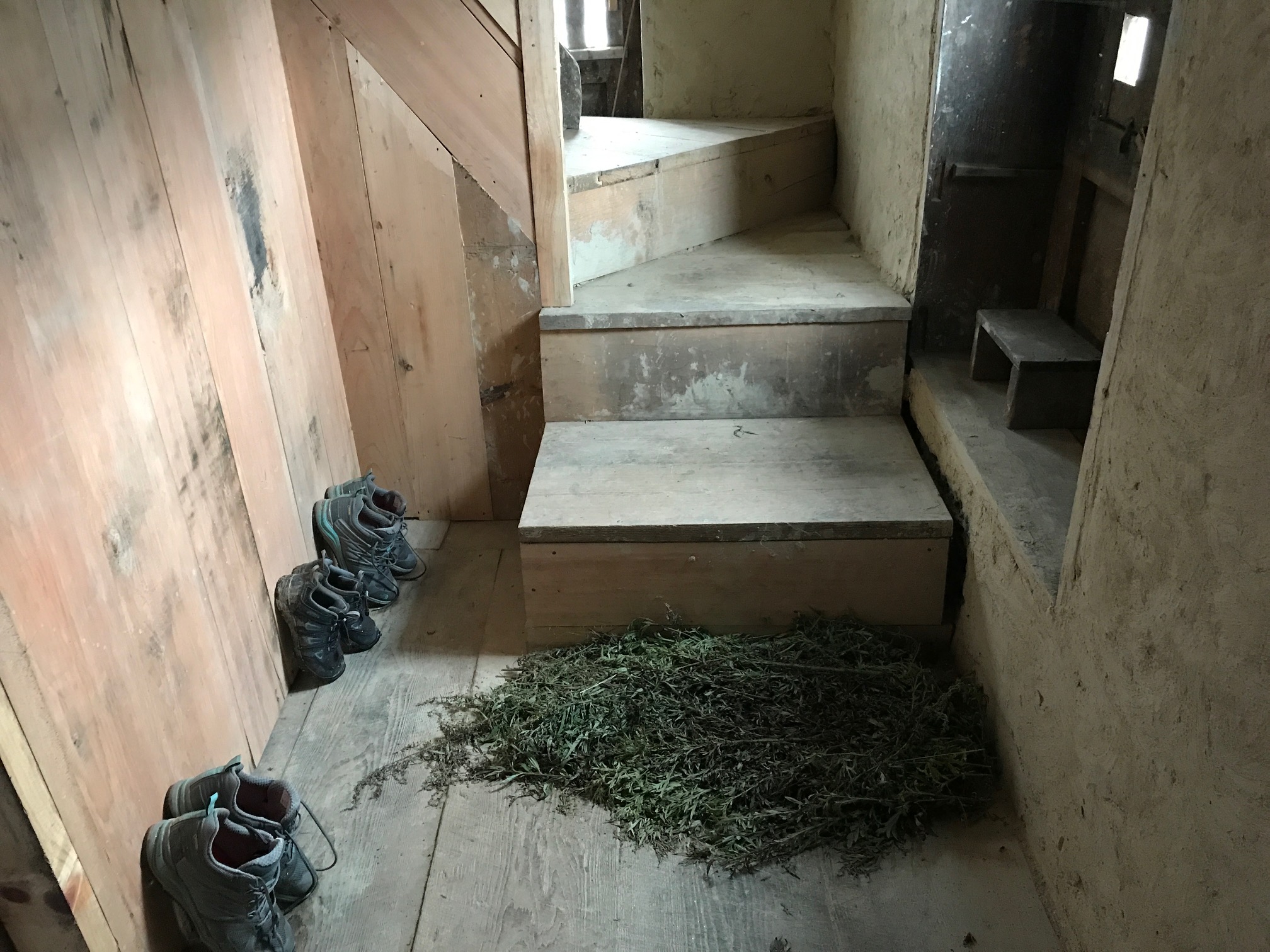
Sherpa doormats

The ingenious door mat is fragrant, compostable and locally made.

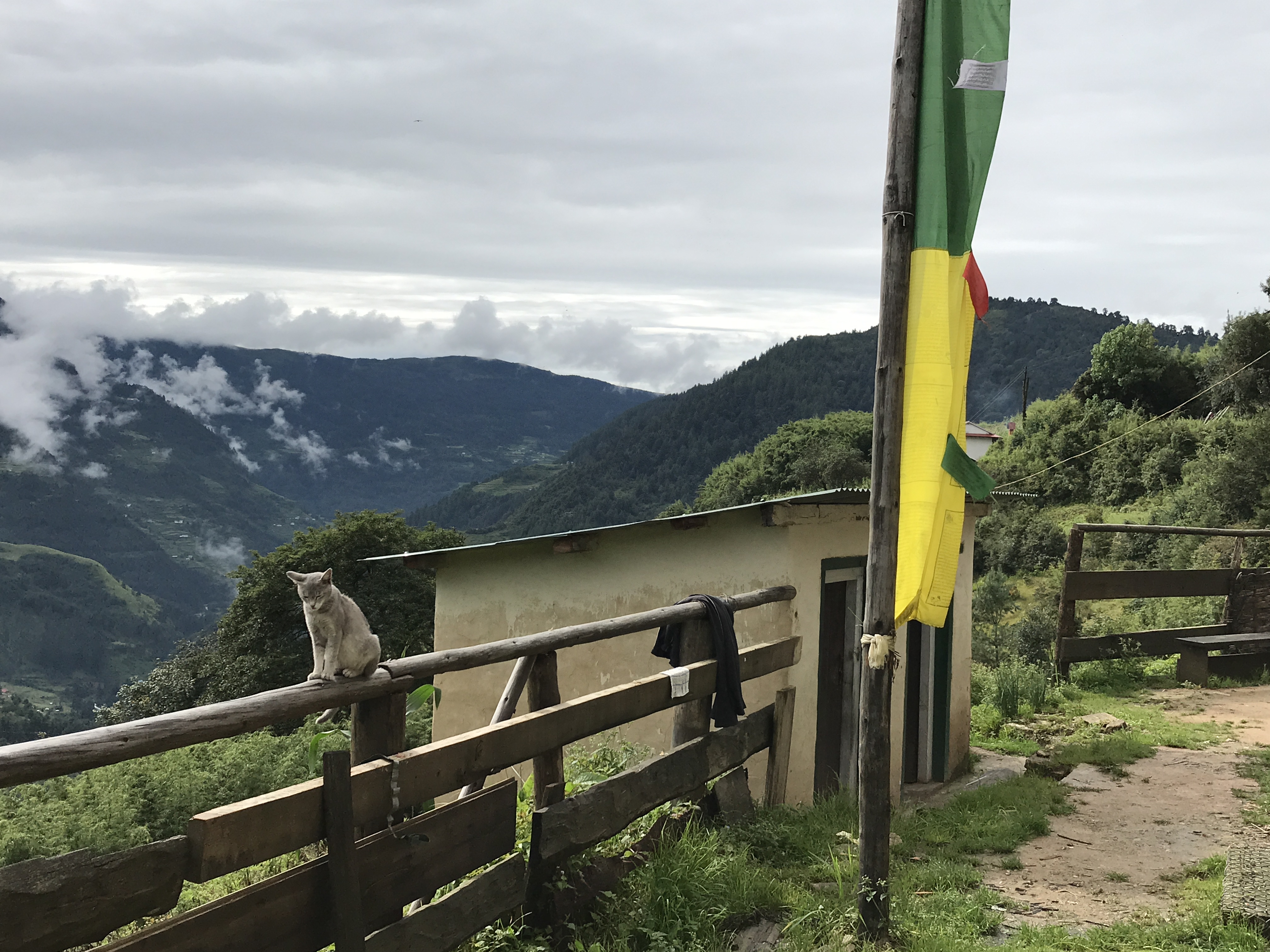
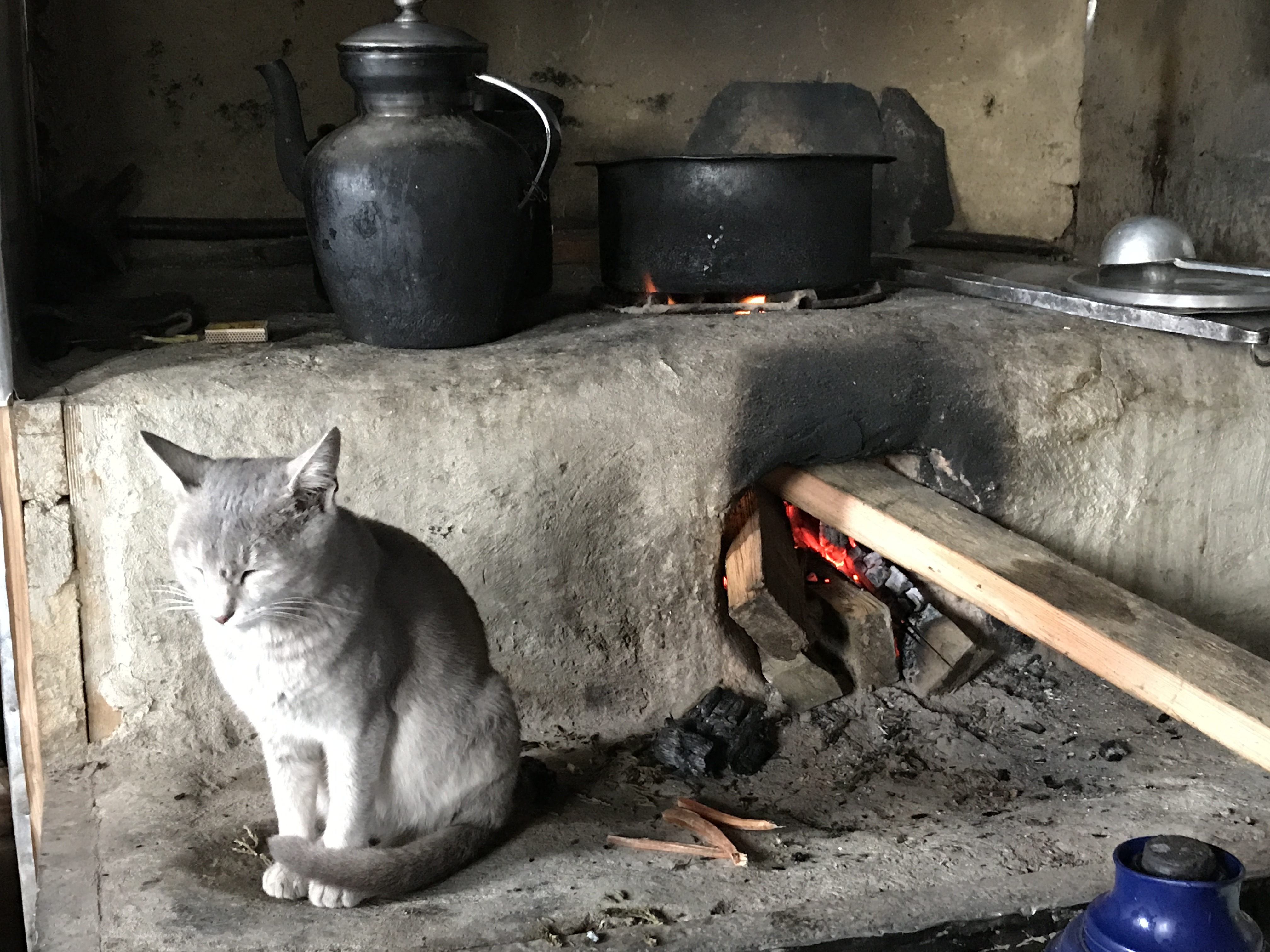
Sherpa homes have some distinctive qualities: colorful window frames, potato fields and blue or green roofs.  Some of my favorite touches were the gray cats curled up on the earthen stoves, the fantastic meals cooked from the simplest kitchens, the hired monks to bless the fresh-monthly prayer flags, the daily incense, the fragrant door mats but the absolute tell-tale sign is the tall Sherpa flags in the front yards.

Sherpa home

View down the valley from the front door. The defining Sherpa flag pole out front and the detached bathroom.

Pasang’s father’s family lived in Thumbuk which is a small village with a gompa, monastery and a small K-4 school.  There is no wifi, no road, nor store to buy staples, but they do have wild pepper tress, pines and herb gardens making any walk through the village an aromatic adventure.  The 2015 earthquake caused significant damage here and our adoptive grandparents in Thumbuk spent a year living under a tarp and wood shed until their house could be rebuilt.

travel with kids Nepal

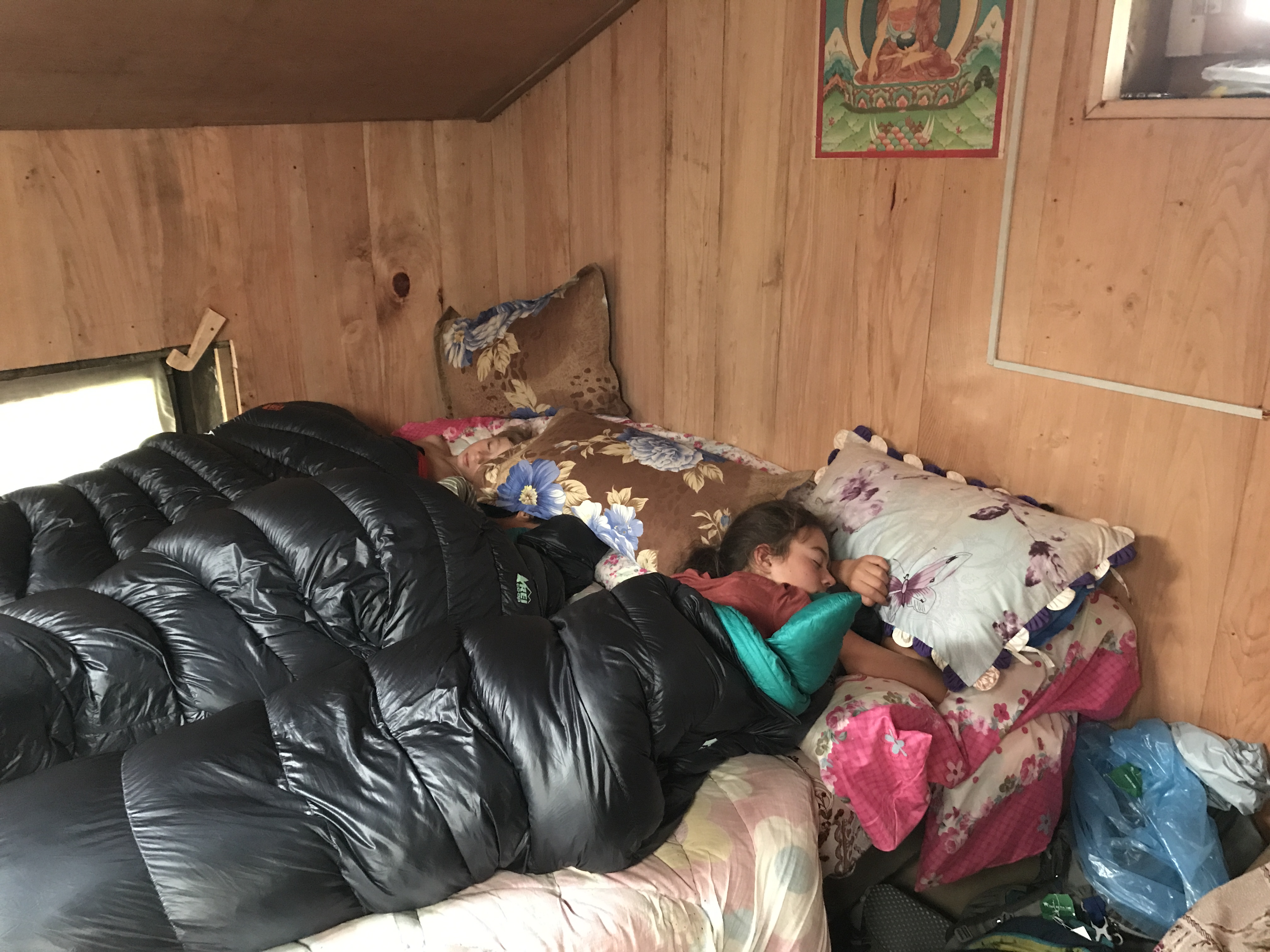
Our cozy upstairs quarters.

Most meals are farm-to-table at their finest.  We helped grandmother dig some potatoes and had them boiled up with chili-pepper sauce for dinner.  Garlic chives, cilantro and wild pepper season just about every meal. (These local peppers are a mix of our black pepper and spicy pepper and more than a quarter teaspoon with make your mouth totally numb for about five minutes.  Will and I were slightly obsessed and urged each other on with the pepper sauce.)  The whole wheat flour is grown locally, milled locally, and helped make our chapatis, momo’s and dumplings for Sherpa stew.  Bring on the gluten!

Sherpa travel with kids

Chimi, the cat, always staying warm by the stove.

All this time without connectivity, mirrors, stores or roads is some of what Will and I were hoping from this gift of a year away.  The daily simplicity of our Sherpa home is what so many Americans crave.  There’s an excuse to be unresponsive on email and the only to-do list is taking care of what’s important: food, family, friends and maintaining health.

We have had versions of this trip planned for years and bought our one-way tickets to Kathmandu six months ago.  But about 10 days before we left, Will got a text that our eight hour layover in Singapore was now actually two and half days.  Huh?

I’m so glad it worked out that way!  The sixteen and a half hour flight from SFO to Singapore was relatively easy and we all slept ok in our coach seats, but rolling into our Singapore hotel that night to sleep was lovely.

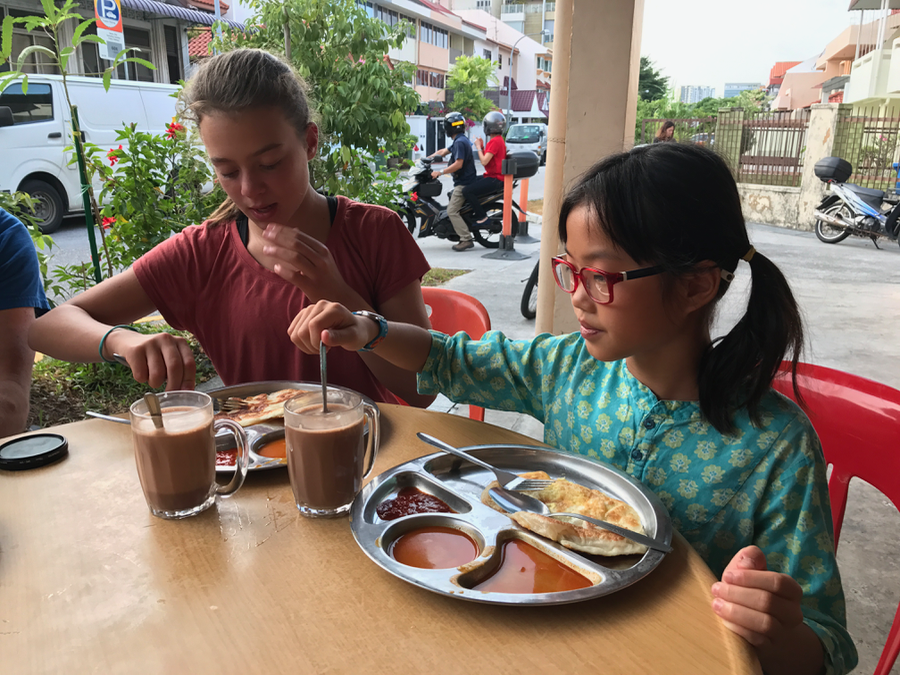
Up at 4am on our first day, we got out early and searched out some fresh roti, curry and steamed red bean buns recommended in a googled article on hidden street food.  Kids were loving it and there were no tourists around.  When Kai tipped the whole plate of curry on his brand new traveling shirt, many locals came to the aid with tissues and smiles.

singapore, street food, roti

Roti with curry, milo, and steamed buns coming!

The object for the rest of the day was to stay awake and get some exercise.  So we headed across a causeway to Sentosa Island for kid-friendly fun.  It’s a cross between “Spirited Away” and Orlando, Florida on jet lag. Everywhere you looked was a semi-empty resort that requires a ticket or wristband.  There is a Universal Studios, zip line park and water park, but we ended up in a smaller section that required a “fun pass” and a map that was crazy-hard to reckon. (Or maybe it was the jet lag.)  We loved the butterfly pavilion, Madame Tussaud’s, Singapore Live! (an educational live show that traces Singapore’s history) and a 4D experience (Disneyland-style) of which we were the only people in the room.

Sentosa Island, Madame Tussaud's

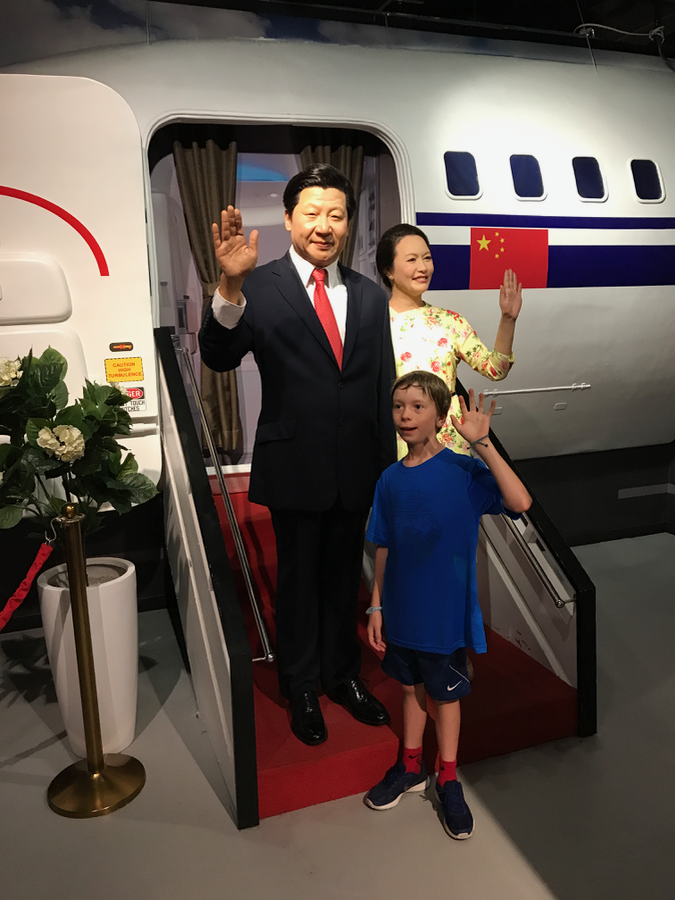
Kai with the Chinese President and first lady at Madame Tussaud’s, Sentosa Island

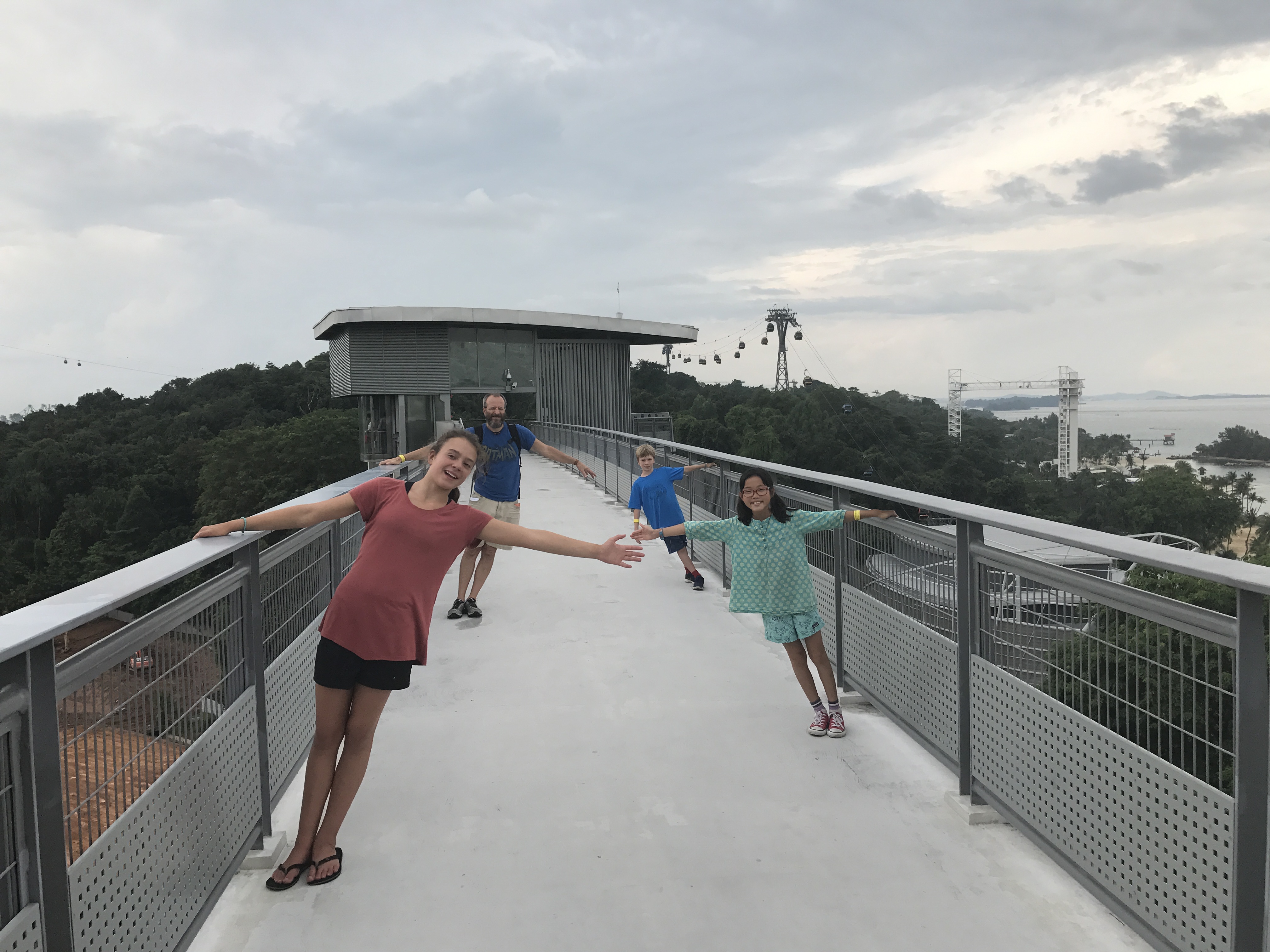
Then we took a bus to the skywalk and my kids insisted on walking up the nine floors instead of taking the elevator.  Nine stories up, the crazy amusement park faded away, the surreal fatigue began to clear and I felt like I was actually in Singapore.  The city is mixture of jungle canopy, shipping containers and ultra sleek skyscrapers.  The architecture is the most futuristic I’ve ever seen – pools on top of hotels, 50th floor connecting walkways – while still feeling like you’re in the jungle with orchid-filled trees along the expressways and living walls of greenery both inside and outside of buildings.
Skywalk, Sentosa Island

Sentosa Island Skywalk

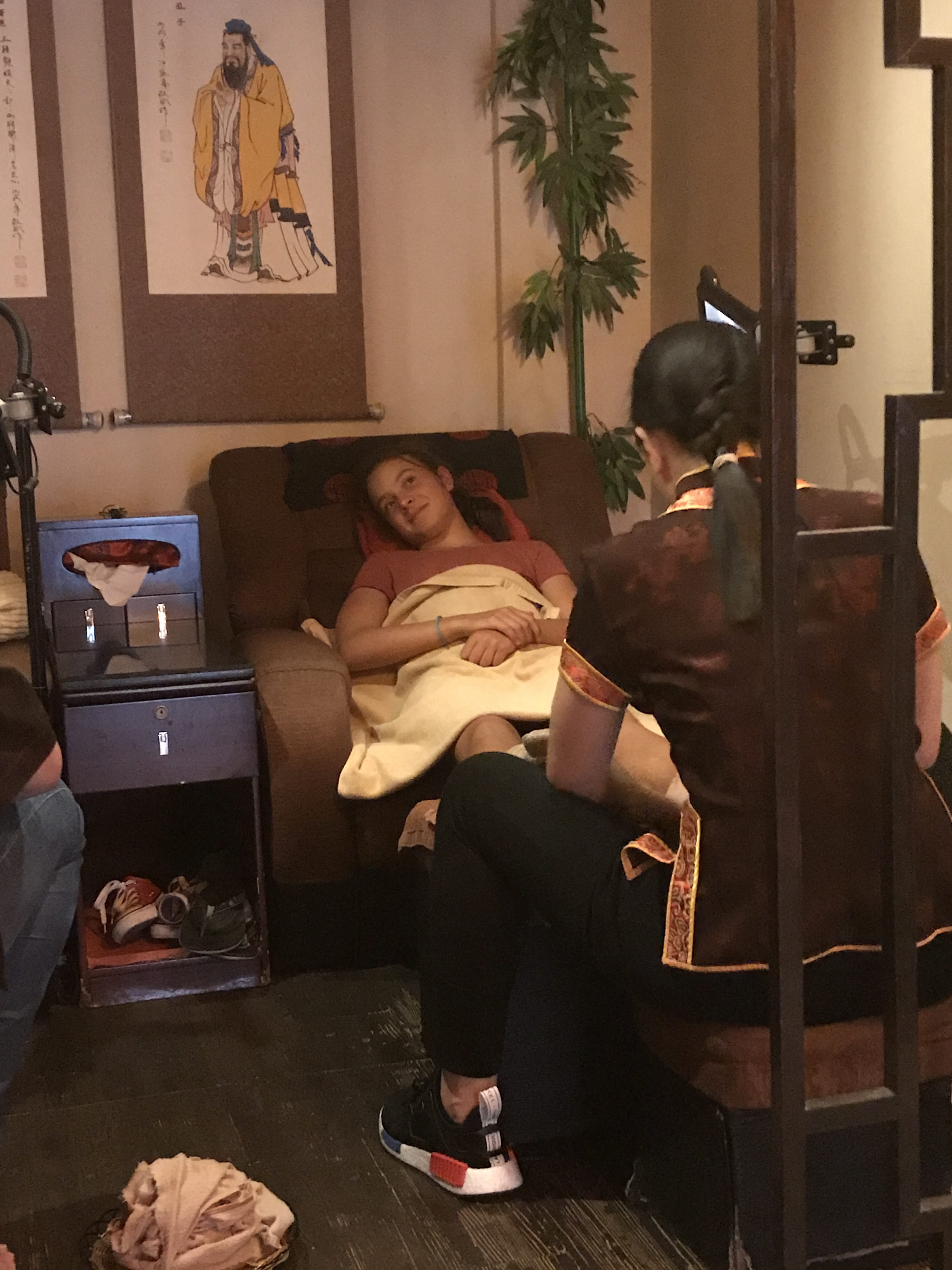
Next stop was Chinatown for vegetarian food and a foot massage, before heading back to the airport hotel pool and asleep by 7:30pm. Chipping away at jet lag bit by bit.

Singapore, Chinatown, roadshcooling, Family Travel

Lorna getting her foot massage in China town. Lucy is next to her giggling.

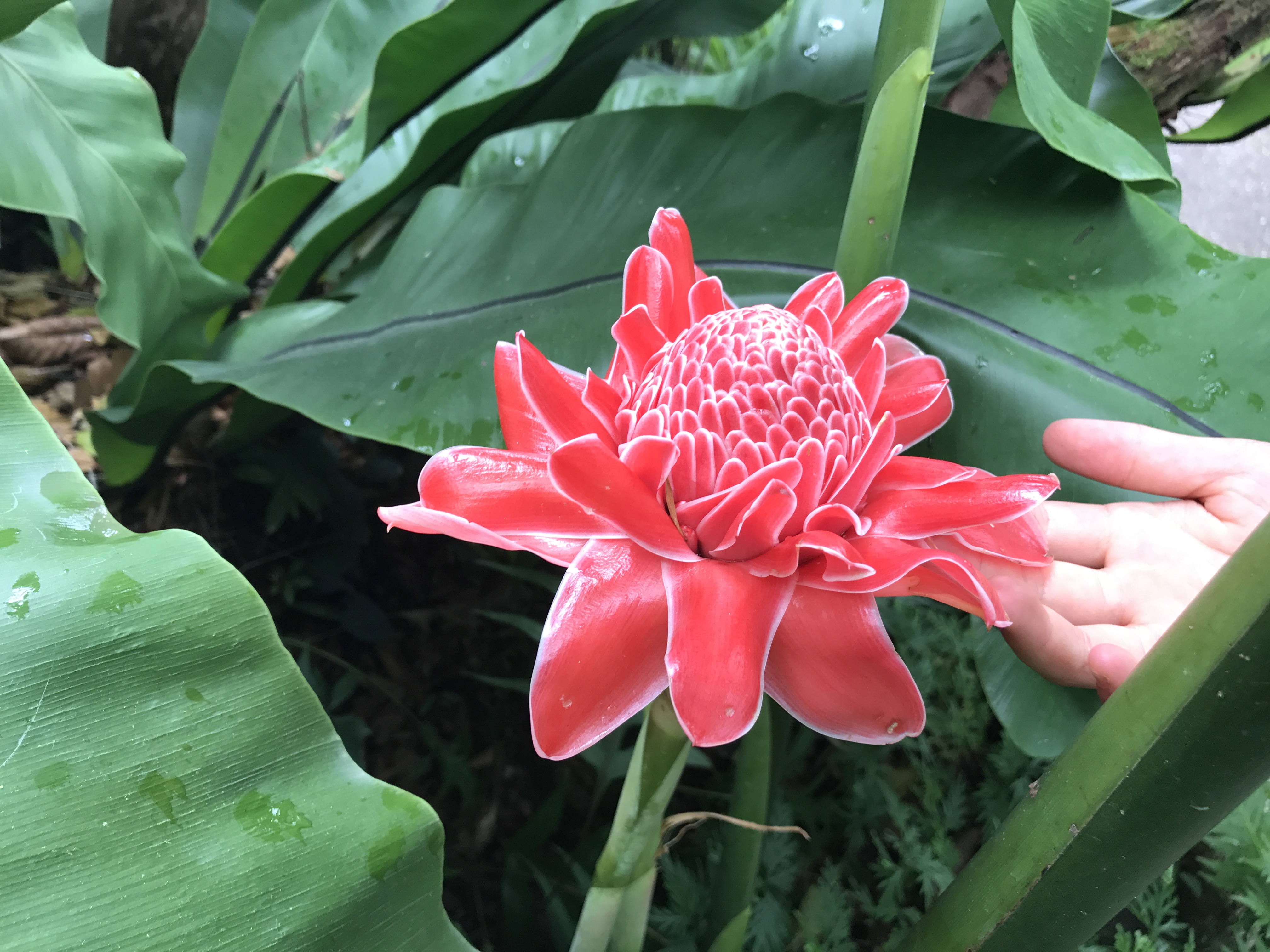
The last half-day was all about the Singapore Botanical Garden, possibly the most beautiful place I’ve ever been.  Monitor lizards, every variety of orchid on the planet and three story-tall palm trees.

Singapore Botanical Gardens

Singapore Botanical Gardens

Random facts learned from taxi drivers:

  • Every male Singaporean has two mandatory years of military service, followed by ten years in active reserves requiring refresher courses and a fitness test. If someone failed the fitness test, they would be required to attend evening classes until the could pass.
  • It’s a Buddhist / Christian country surrounded by Muslim Indonesia and Malaysia.
  • They got independence from England in 1965.  And with no natural resources, they went from being a third world country to one of the four strongest Asian economies in 50 years.
  • The first priority for the new leadership after independence was to build the best airport in the world and a tax-free shipping port to attract trade and travel, and capitalize on their unique geographical position.  I guess it worked.

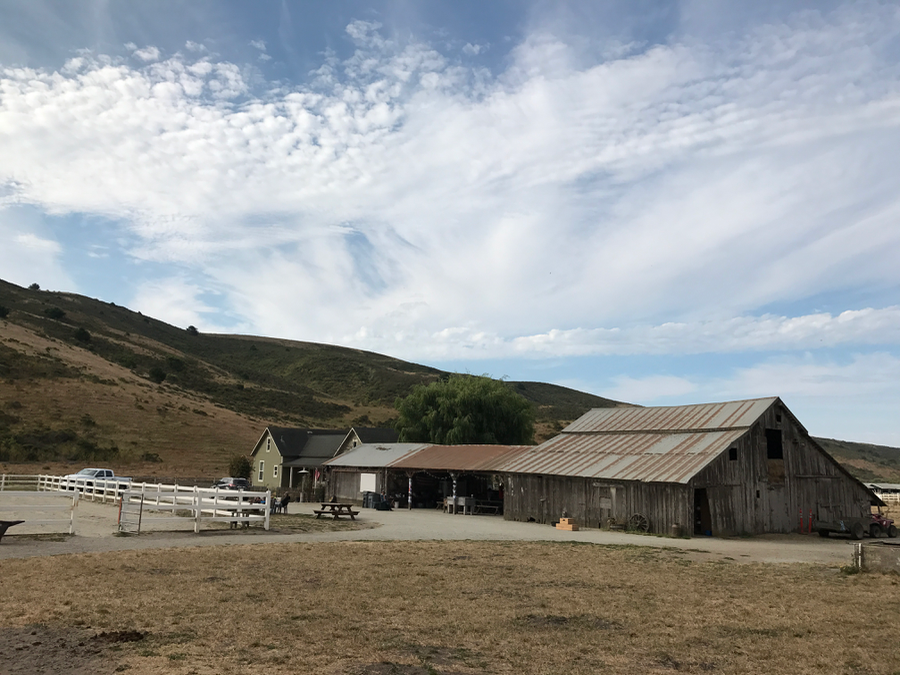
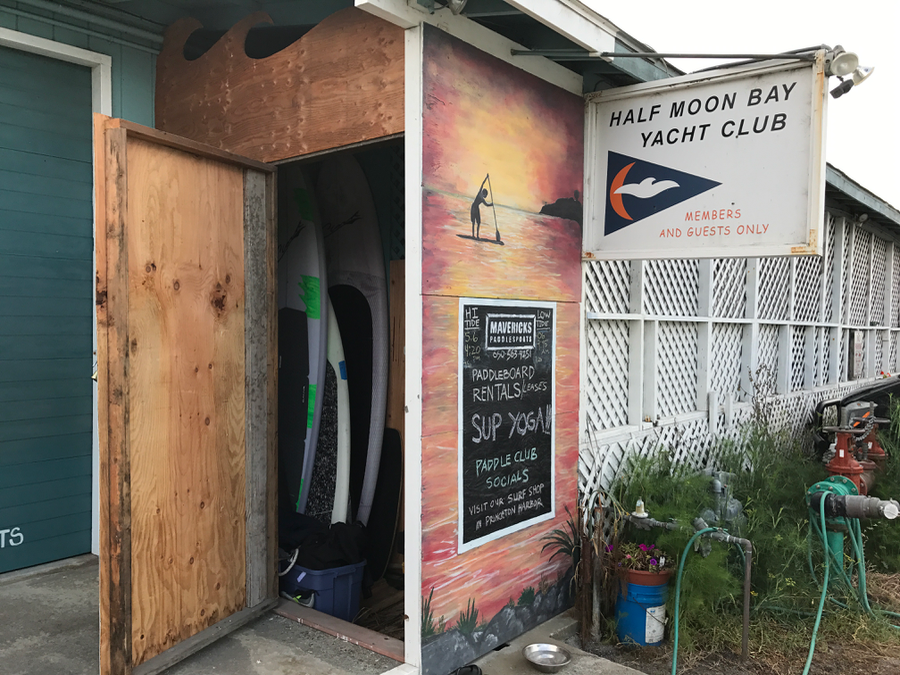
I’m not sure how we could have achieved liftoff for our year of family adventure without our short stint in Half Moon Bay.  The kids flew “unaccompanied” to San Francisco to stay with the grandparents and do their first camp of the summer.  This gave us four full days alone to get packed up and out of Boulder. There is no way we could have done this with kids around.  Thank you Gima and Poppa!Lazy H Ranch, Half Moon Bay, road schooling, family travel

When we arrived, all three kids were happily enjoying their own day camps and this special slice of the California coast.  Lorna was in a sailing camp, Lucy in a horse camp and Kai in a flag football camp.  After Will and I arrived, we had a moment to walk on the beach, repack, eat good food, repack, catch up with family and friends, and repack again.  Even though there is less stuff, there’s still the task of keeping the stuff organized and the weight of the luggage equally distributed.

My sister Daisy, her husband Tim and daughter Charlie also came down from Tahoe to say farewell.   Daisy Barnett, Sarah Tinsley, Gary and Carol stopped in to say hello/goodbye.  We checked and rechecked our lists while trying to convince everyone to come visit.

Val fed us well and somehow it feels better when you’re doing something big to touch in with your parents.  Their excitement and encouragement makes it all seem less intense.  But after a while, we were all done talking about it.  It’s just time to go!  So off we went for sixteen and half hours in coach…